Ransomware is your biggest threat, NCSC CEO’s tells business

As head of the National Cyber Security Centre, Lindy Cameron believes company leaders must improve preparedness and resilience by educating staff – and themselves

Lindy Cameron is a difficult person to reach. That’s understandable: as CEO of the National Cyber Security Centre (NCSC), she’s at the forefront of the UK’s fight against computer security threats. While it’s tough for a journalist to negotiate an interview, it’s reassuring that she’s dedicated to her task. 

The NCSC provides advice and support for public and private sector organisations, helping them avoid computer security threats. Cameron took the helm in October 2020, succeeding inaugural CEO Ciaran Martin, who stepped aside after four years in the job.

Ransomware presents the most immediate danger to the UK

Her assessment of cyber threats, themes and advice should be required reading for CIOs and other members of the C-suite. Indeed, on the rare occasions she has spoken in public since taking up the role, she hasn’t held back.

For instance, in March she warned of the UK’s need to be “clear-eyed about Chinese ambition in technological advancement”. Speaking in her first address as CEO, she chided China’s “hostile activity in cyberspace” while adding that “Russia [is] the most acute and immediate threat” to the country.

Ransomware: an immediate danger 

The former number two at the Northern Ireland Office has over two decades of experience working in national security policy and crisis management. She was equally forthright and insightful in October’s keynote speech at Chatham House’s Cyber 2021 conference, where she reflected on her first year at the NCSC and identified four key cybersecurity themes. The most alarming is the pervasiveness of ransomware, the scourge of business leaders.

In May, US cloud-based information security company Zscaler calculated that cybercrime was up 69% in 2020. Ransomware accounted for over a quarter (27%) of all attacks, with a total of $1.4 billion demanded in payments. And those figures didn’t include two hugely damaging breaches that occurred in 2021, marking an elevated scope for bad actors.

July’s ransomware attack on multinational remote management software company Kaseya affected thousands of organisations and saw the largest ever ransomware demand of $70 million. The REvil ransomware gang that claimed responsibility for the attack ordered ransoms ranging from a few thousand dollars to multiple millions, although it’s unclear how much was paid. The gang said 1 million systems had been impacted across almost 20 countries. While those numbers are likely to be exaggerated, the attack triggered widespread operational downtime for over 1,000 companies.

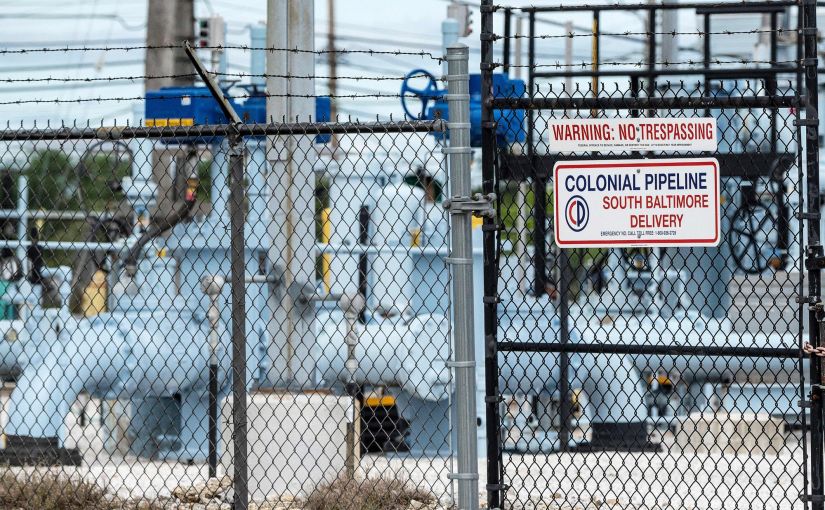
The Kaseya incident came two months after the attack on Colonial Pipeline, one of the largest petroleum pipelines in the United States. The attack disabled the 5,500-mile system, sparking fuel shortages and panic buying at gas stations. Within hours of the breach, a $4.4m ransom was paid to DarkSide, an aptly named Russian hacking group. Despite the payment – later recovered – the pipeline was down for a week.

“Ransomware presents the most immediate danger to the UK, UK businesses and most other organisations – from FTSE 100 companies to schools; from critical national infrastructure to local councils,” Cameron told the October conference. “Many organisations – but not enough – routinely plan and prepare for this threat, and have confidence their cybersecurity and contingency planning could withstand a major incident. But many have no incident response plans, or ever test their cyber defences.”

Managing and mitigating cyber risk

The sheer number of cyberattacks, their broader scope and growing sophistication should keep CIOs awake at night. The latest Imperva Cyber Threat Index score is 764 out of 1,000, nearing the top-level “critical” category. Other statistics hint at the prevalence of cybercrime in 2021: some 30,000 websites on average are breached every day, with a cyberattack occurring every 11 seconds, almost twice as often as in 2019.

Cybersecurity organisation Mimecast reckons six in 10 UK companies suffered such an attack in 2020. In her Raconteur interview, conducted a fortnight after her appearance at Chatham House, Cameron reiterated her concerns.

“Right now, ransomware poses the most immediate threat to UK businesses, and sadly it is an issue which is growing globally,” she says. “While many organisations are alert to this, too few are testing their defences or their planned response to a major incident.”

Organisations can prevent the vast majority of high-profile cyber incidents we’ve seen following guidance we have already issued

Despite the headline-stealing attacks, businesses aren’t doing enough to prepare for ransomware attacks, says Cameron. Cyber risks can and must be managed and mitigated. To an extent, CIOs and chief information security officers (CISOs) are responsible for communicating the potentially fatal threat to various stakeholders.

Cyberattacks are different from other shocks as they aren’t readily perceptible. They are deliberate and can be internal and external. They hit every aspect of an organisation – human resources, finance, operations and more – making them incredibly hard to contain.

“The impact of a ransomware attack on victims can be severe,” Cameron continues, “and I’ve heard powerful testimonies from CEOs facing the repercussions of attacks they were unprepared for. Attacks can affect an organisation’s finances, operations and reputation, both in the short and long term.”

Building cyber resilience 

CEOs can’t hide behind their security teams if breached by a cyberattack. Cameron warns that defending against these incidents can’t be treated as “just a technical issue” – it’s a board-level matter, demanding action from the top. 

“A CEO would never say they don’t need to understand legal risk just because they have a General Counsel. The same applies to cybersecurity.” 

Cybersecurity should be central to boardroom thinking, Cameron adds. “We need to go further to ensure good practice is understood and resilience is being built into organisations. Investing resources and time into putting good security practices into place is crucial for boosting cyber resilience.”

Cameron notes that the NCSC’s guidance, updated in September, will reduce the likelihood of becoming infected by malware – including ransomware – and limit the impact of the infection. It also includes advice on what CIOs, CISOs and even CEOs should do if systems are already infected with malware. 

Cameron, who was previously director general responsible for the Department for International Development’s programmes in Africa, Asia and the Middle East, echoes Benjamin Franklin’s famous maxim: “By failing to prepare, you are preparing to fail.” 

There’s a wide range of practical, actionable advice available on the NCSC website, she notes.

“One of the key things I have learned in my first year as NCSC CEO is that organisations can prevent the vast majority of high-profile cyber incidents we’ve seen following guidance we have already issued,” she adds. 

Low-hanging fruit

At the Chatham House event, Cameron acknowledged that small- and medium-sized enterprises are especially vulnerable to cyberattacks. “I completely understand this is getting harder, especially for small businesses with less capability,” she said. “But it is crucial to build layered defences that are resilient to this.”

SMEs are the low-hanging fruit for cybercriminals, as they usually don’t have the budget or the access for sufficient IT support or security. “We appreciate smaller organisations may not have the same resources to put into cybersecurity as larger businesses,” Cameron says. 

The NCSC has produced tailored advice for such organisations in its Small Business Guide. This explains what to consider when backing up data, how to protect an organisation from malware, tips to secure mobile devices and the information stored on them, things to bear in mind when using passwords and advice on identifying phishing attacks.

Criminals will seek to exploit a weak point, which could include an SME in a supply chain. Larger organisations, says Cameron, have a “responsibility to work with their suppliers to ensure operations are secured. In the past year, we have seen an increase in supply chain attacks with impacts felt around the world, underlining how widespread supply networks can be.”

Supply chain concerns

Supply chain attacks were another of Cameron’s four key themes at the Chatham House conference. Such vulnerabilities “continue to be an attractive vector at the hand of sophisticated actors and … the threat from these attacks is likely to grow,” she said. “This is particularly the case as we anticipate technology supply chains will become increasingly complicated in the coming years.”

The most infamous recent supply chain attack was on SolarWinds, said Cameron. According to the former CEO and other SolarWinds officials, the breach happened because criminals hacked a key password – it was solarwinds123. This highlights the importance of strong passcodes for companies large and small. 

“SolarWinds was a stark reminder of the need for governments and enterprises to make themselves more resilient should one of their key technology suppliers be compromised,” Cameron said at Chatham House.

The two other areas of cyber concern she promoted were the vulnerabilities exposed by the coronavirus and the development of strategically important technology. “We are all increasingly dependent on that technology and it is now fundamental to both our safety and the functioning of society,” she said of the latter.

On the former theme, Cameron said that malicious actors are trying to access Covid-related information, whether vaccine procurement plans or data on new variants. 

“Some groups may also seek to use this information to undermine public trust in government responses to the pandemic. The coronavirus pandemic continues to cast a significant shadow on cybersecurity and is likely to do so for many years to come.”

CIOs must keep this in mind as many organisations grapple with post-pandemic ways of working. This involves more remote workers using personal or poorly protected devices on unsecured networks, all of which play into the hands of bad actors.

“Over the past 18 months, many organisations will have likely increased remote working for staff and introduced new online services and devices to stay connected,” says Cameron. “While this has offered a solution for many businesses, it’s vital for the risks to be mitigated so users and networks work securely. Our home-working guidance offers practical steps to help with safe remote working.”

Post-pandemic cybersecurity 

Providing other essential advice, Cameron underlines the importance for organisations of all sizes to build their cyber resilience. 

“It’s vital that organisations of all sizes take the right steps to build their cyber resilience. Educating employees is an important aspect of keeping any business secure. Staff can be an effective first line of defence against cyberattacks if they are equipped with the right understanding and feel they can report anything suspicious.”

Businesses should put a clear IT policy in place that guides employees on best practices, while staff should be encouraged to use the NCSC’s “Top Tips for Staff” training package. 

“These steps are about creating a positive cybersecurity culture and we believe senior leaders should lead by example,” she adds. 

The NCSC’s Board Toolkit is particularly useful for CIOs, designed to help facilitate cybersecurity discussions between board members and technical experts. It will “help ensure leaders are informed and cybersecurity considerations can be integrated into business objectives”.

These conversations are now critical, as advances in artificial intelligence, the internet of things, 5G and quantum computing multiply attack surfaces. Reflecting on the NCSC’s work since its inception five years ago, Cameron says the organisation has achieved a huge amount, including dealing with significant cyber incidents, improving the resilience of critical networks and developing a skills pipeline for the future. 

“This is delivering real benefits for the nation, from protecting multinational companies to defending citizens against online harm. However, the challenges we face in cyberspace are always changing, so we can’t rest on our laurels.”

This article was first published in Raconteur’s Future CIO report in November 2021

Businesses wake up to the immense potential of TikTok

Companies are increasingly cottoning on to the fact that the video-sharing app, once seen as the preserve of the young, is increasingly a powerful marketing tool to reach all ages

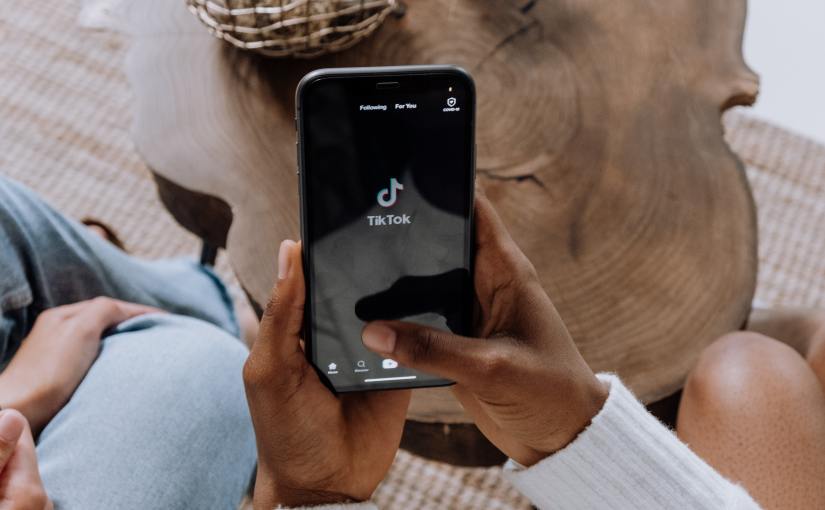
TikTok celebrated its recent fifth birthday by announcing that more than one billion people – almost one-in-eight people on the planet – now use the video-sharing app every month.

And its star is only set to shine brighter: a new social media trends report for 2022 by marketing experts HubSpot and consumer intelligence platform Talkerwalker suggests it will continue to expand and “take over social media”, forcing other brands to adapt. This is based largely on TikTok’s highly personalised feed, which curates different content for each user drawing on known interests as well as previous likes and comments on the platform, instead of simply showing them videos from accounts they have chosen to follow.

Given this colossal global reach and potential, combined with the ability to easily record and edit videos of up to three minutes in-app and then share clips to multiple platforms, it’s no wonder that businesses of all sizes are flocking to the platform. TikTok’s growing corporate appeal, including to B2B companies such as financial and technical services providers, has been boosted by a shift in the user demographic. Once seen almost solely as the preserve of the young, the latest user base statistics show that almost one-in-four users are now over the age of 30.

However, despite this promise, getting started can still be daunting to companies unused to using video as part of their marketing efforts. As inspiration, here are five examples of brands using TikTok in unexpected ways to expand their audiences and boost awareness of their services.

•   Sage

In February, Sage – a cloud business company best known for its accounting software – launched the #BOSSIT2021 Challenge, challenging UK small and medium-sized enterprises (SMEs) to use their creativity to showcase their ‘boss it’ moments inside work or out. Over one million companies took the opportunity to show how they were excelling despite the uncertain times. The overall winner was Broken Planet Market, a recycled fabrics clothing company, which documented the struggle to keep up with storage in the one-bedroom flat it is run from after the company ‘blew up’ on TikTok.  A podcast, a yoga company and a jewellery business were among the runners-up in the campaign, which won the Best Use of TikTok Ads category at the UK Paid Media Awards.

Sophie Fresco, a TikTok specialist for communications consultants Hotwire Global, says Sage is continuing to build on that initial success. “Following the triumph of the #BOSSIT2021 Challenge, it asked followers to use #SageTellMe and create their own videos and explain how they are an SME without saying they are an SME,” she says. “The hashtag has over 4.5 billion views, so far.”

•   Harvard Business Review

The renowned business management magazine posts videos on how to “deal with work, school and life” and has over 1.2 million likes. Its TikTok account is an extension of its global Ascend brand, which targets modern young professionals just starting their careers and is not behind a paywall – unlike the content targeted at more mature workers. Paige Cohen, Ascend’s editor-in-chief, told media trade magazine Digiday that: “We introduce younger people to the brand, help them build better habits, help them make better career decisions. And when the day comes that they’re more in the middle of their careers instead of at the beginning, they will turn to the Harvard Business Review content.” She, and other editors, are the faces seen on TikToks on subjects including interview hacks and tips, and Halloween-themed resumé killers to give “more personality and connection to the brand”.

•   Gymshark

“On TikTok, you’ve got to put entertainment and comedy value before your product,” advises Harvey Morton, digital expert and founder of Harvey Morton Digital. He singles out Gymshark, a British fitness clothing and accessories brand which posts content designed to help its users stay active, as using the platform well. “They have built up a large following from posting consistent, quality videos from workouts, workout memes and inspiration,” he says.

Playfulness seems to be the winning ingredient. Gymshark’s profile description states: “Nothing to do with sharks. Something to do with the gym.” On TikTok, the brand has 3.4 million followers, and its irreverent videos about life in the gym – including men wearing crop tops to work out and pet dogs obediently watching their owners lift weights – have amassed more than 51 million likes.

•   Marks and Spencer

M&S dates back to 1884, but its food division has enhanced its modernity by entering the TikTok scene and using the self-parodying profile description “This is not just any TikTok page…”, in a nod to the brand’s famous marketing tagline. By leveraging the reputation of own-brand sweet favourite Percy Pig, piggybacking #FoodTikTok and responding to viral trends and news, M&S Food has attracted 133,000 followers and over 2.3 million likes. A recent video for Hallowe’en, which showed Percy Pig and friends doing an amusing ‘pumpkin workout’ to a spooky song, generated over 110,000 plays in less than a week.

•   Ryanair

The budget airline offers a perfect example of how a sense of humour can trigger a surge in customer engagement and brand presence on the platform. The consistency and tone of Ryanair’s TikTok output has attracted over one million followers. The formula is simple – often images and footage of its planes with superimposed human facial features, or cabin crew sharing common thoughts – but very effective. Set to funky music, the results are amusing but subtly keep attention focused on the airline’s branding and core product of low-priced flights across Europe.

•    Miss Excel

Used well, TikTok can raise the profile of individual entrepreneurs, too. For example, Kat Norton – aka Miss Excel – has danced her way to becoming a full-time spreadsheet influencer by making Microsoft Excel “fun”. Having attracted over 652,000 followers and had one video go viral with over three million views, she has given up her day job as a consultant to focus on being Miss Excel.

She mostly posts clever dance videos containing shortcuts, tips and tricks for the masses, with a subtle message to seek out her courses. Normally, how-to videos are step-by-step posts, possibly with screenshots with helpful arrows. Not so Miss Excel. The message for other businesses is that it’s not just what you do, it’s how you frame it. Even the dullest of subject matters can become fun and excite with a quirky twist.

“You have to have an element of polarity,” Norton told Quartz, when asked what makes a successful TikTok profile. “When you take something as boring as Excel and something so different like dancing and combine them… people are flabbergasted.

Joining the TikTok revolution

So, now we’ve shown a snapshot of how other businesses are embracing the TikTok opportunity, why should yours join them? Top of the long list of reasons to post on the social media platform are that it’s free to use and videos can be as short as 15 seconds in length, so content can be produced and published quickly. Crucially, you needn’t be a big brand or have a big budget to make TikTok a success.

Additionally, Jon Abrahams, global managing director of virtual office provider Rovva and a big fan of TikTok, suggests bearing in mind that while the playful nature of the platform is forcing brands to be more innovative, quality rather than quantity of content is still key.

“It’s important to remember that your business’s TikTok account is essentially an extension of your brand, and jumping on trends that don’t fit with your core purpose and values can make your response appear out of place,” warns Abrahams. “This can negatively impact engagement with your brand. Essentially, don’t try to do everything that’s trending; if it’s not in line with your brand personality, leave it.”

Lastly, remember TikTok’s stated mission to “inspire creativity and bring joy”. In this spirit, businesses should not be afraid to experiment or try doing things differently. And certainly, they ought not shy away from being either bold or quirky with their videos. While there may be an element of trial and error to begin with, those that craft a winning TikTok marketing strategy will discover it can pay off, handsomely.

This article was first published on First Word Media in November 2021

How business and government can reap rewards of open data

Private sector leaders are wary about sharing data, but if the government offers guidance on artificial intelligence, citizens will benefit from a spirit of innovation

The UK could build a smarter state, improving public services by connecting data from various disparate sources. This will demand greater data sharing between different branches of government – Whitehall, councils, regulators and emergency services – and collaboration between the public and private sectors. 

Working together and sharing data in an open, transparent and secure manner will drive innovation through artificial intelligence and ultimately enable and empower citizens. But progress is stalling in the private sector, due to a combination of poor data literacy at the leadership level, fears of ceding a competitive advantage, and a general wariness of unintended consequences. How, then, can the public sector tap into external data sources and encourage a more collaborative spirit?

While there is no simple answer, the government’s National AI Strategy, published in late September, offers some guidance and encouragement for business leaders. The document, which sets out a 10-year plan to make the country a “global AI superpower”, is the country’s first package solely focused on AI and machine learning.

Chris Philp, digital minister at the Department for Digital, Culture, Media and Sport, is confident the publication will accelerate the development of AI and spark collaboration between public and private sectors. “We want to make sure that there are clear rules, applied ethical principles and a pro-innovation regulatory environment that can create tech powerhouses dotted across the country with the most supportive business environment in the world,” says the Croydon South MP.

He hopes the new strategy will help narrow the skills gap to take advantage of the AI opportunity. And while data sharing is essential, standardisation is just as important; unless data is collected and managed according to common, robust rules, it might be unreliable, which directly impacts on outcomes for the citizen.

Leading by example

Matthew O’Kane is multinational IT consultant Cognizant’s global head of AI solutioning. While he welcomes the National AI Strategy, he argues that the government should take the lead in dialling up collaboration and openness.

“The government can and should set an example in the AI space by ensuring seamless data sharing across government departments,” he says. “Data is the fuel that powers AI, so through the democratisation of data across government, leaders would be able to maximise the potential to extract value from AI investments.”

Fakhar Khalid, chief scientist at Sensat, a cloud-based 3D interactive virtual engineering platform, agrees, and believes universities should open their doors, too. “A clear mindset change is needed from the top down,” he says. “Government must encourage risk in innovation and provide supportive infrastructure and resources to organisations that are willing to take such calculated risks to propel the UK as the global leader in AI innovation.”

According to Khalid, not only are strong, open and transparent collaborative platforms needed within central and local government, but there is also an urgent requirement for more academic research to impact the public and private sectors. 

“While the government must lead the country by example, academia needs to invest more in ensuring their higher education research is fed to the industry more often than it currently does. The UK has a strong academic foundation but is slow to turn those into any commercial success.”

Chicken-and-egg scenario

Dr Mahlet Zimeta, head of public policy at the Open Data Institute, acknowledges that business leaders tend to “hoard” data, but argues that if sharing is done sensitively and sensibly, everyone stands to benefit.

“Organisations are often concerned about unanticipated use cases for their data and who might gain value from it,” she says. “They are nervous because they don’t know what business model to use. It’s difficult, as most use cases only arise when the data has been made available – it’s a chicken-and-egg scenario.”

However, Zimeta points out that there has recently been a “step change in data sharing”, with a range of industries and sectors collaborating to help the response to the coronavirus crisis. There was truly an international effort; for example, science journals changed their subscription models, allowing open access to their papers to accelerate the speed of research and development. 

“It was exciting and shows the benefits to society and the economy when more data is accessible – and as far as I know, no businesses went bankrupt as a result of making their data available.” Finally, while Zimeta calls for more cross-sector collaboration to build a smarter state, she says it’s important not to forget another potential collaborator: citizens themselves. “It’s often presented as ‘private and public’, but civil society is a crucial innovator. This data is vital, too.” She adds: “We need to start thinking about a three-way collaboration.”

Data collaborators, it’s over to you.

This article first appeared in Raconteur’s special report, Building a smarter state and improving public services with connected data, sponsored by Civica, in November 2021

How sustainability has become an advantage in the talent war, but candidates aren’t fooled by ‘greenwashing,’ say experts

The meeting in early November of officials from approximately 120 countries at the 2021 United Nations Climate Change Conference (COP26), in a desperate bid to improve the planet’s health, highlights the critical importance of environmental issues.

But it’s not just world leaders who need to boost their sustainability credentials: so do businesses, or they risk defeat in the raging war for talent.

Indeed, new research from global recruitment firm Robert Walters indicates 34% of U.K. office workers would refuse a job offer if a company’s environmental, sustainability or climate control values do not align with their own. In the U.S., the figure is even higher: 41%. France and Chile (both on 53%) top the list, closely followed by Switzerland (52%).

It’s a “new era of recruiting,” according to Chris Poole, managing director of Robert Walters U.K. “While all the normal questions still get asked around pay, benefits, training and career paths, increasingly we get asked: ‘What does X company stand for?’” he said.  

Before accepting a job offer, people now carefully consider their prospective employer’s social media output, check the “about us” pages on its website and Google the latest news articles about the company to see if its actions match its words.

“Employers failing to improve on their sustainability credentials should expect to see a knock-on impact to their hiring,” said Poole. “With there being so many avenues to being environmentally conscious as an employer, there simply isn’t much room to ignore the matter.” Moreover, he added: “As a workforce strategy, ESG [environmental, social and governance] has become a competitive advantage in attracting and retaining talent.”

However, while a commitment to improving sustainability is attractive to employees, the opposite is true if businesses offer token gestures. Younger workers are especially attuned to this, according to Gordon Wilson, CEO of Advanced, a U.K.-based software company. His business’ recent trends report found 56% of 18 to 24-year olds “are accusing their employer of ‘greenwashing’, meaning that they overstate and gloss over their sustainable business efforts for business gain,” he said. 

“We cannot afford to ignore the voice of this generation, which has much greater personal awareness of their values and the impact they want to have on the world than previous generations. These are the voices of future leaders, and they’re joining the business world with an inherent distrust.”

Young people want to align themselves with companies that are doing the right thing for the planet and society, and are working towards positive change. “They want more than just a job,” added Wilson.

This insight chimes with the experience of Andrew Hunter, co-founder and economist at job-search engine Adzuna. “Having a strong ESG strategy can be a big talent draw for a brand, though people are becoming increasingly aware of greenwashing and are judging employers based on their actions, rather than their opinions,” he said. 

“It’s part of a wider trend where company culture and beliefs are becoming more important to job seekers, financial reimbursements alone are taking a bit more of a back seat, and work-life balance and well-being are instead coming to the fore.”

Hunter points out the social element of ESG is also about sustainability.

He notes that many of the businesses leading the way in this area are B Corp certified, including Homeboy Recycling in California, which provides on-the-job training and employment opportunities for ex-offenders. “Rubicon Bakers is another B Corp focusing on creating opportunities for marginalized sectors of the workforce,” he said. “In the U.K., The Body Shop has a focus on providing employment for people experiencing homelessness or with lower levels of education. Making sure these jobseeker segments don’t slip through the cracks is an important aspect of ESG efforts that we forsee growing.”

Rita Trehan, founder of DARE Worldwide, a global transformation consultancy, believes that a well-known Swedish teenager, who has been in Glasgow at COP26, is spearheading the drive for younger workers demanding greater sustainability. “Greta Thunberg’s ‘Blah, blah blah’ message has resonated with people,” she said. “The conversation today is more scrupulous, more cynical, better at challenging businesses and governments on the gap between policy and impact.”

Trehan pointed to statistics that show a vital distinction to make for businesses looking to dial up their sustainability credentials: nearly three-quarters of employees believe all workers are responsible for upholding a sustainability policy. It needs to be baked into the company culture, she added.

And yet, businesses that want to do so will need to tread carefully if they’re to avoid being accused of greenwashing, according to James Hand, a data scientist and co-founder of Giki—which stands for Get Informed Know your Impact—a social enterprise in London that helps people live sustainably. “There aren’t any ‘quick wins’ that don’t end up looking like greenwashing,” he said.

Instead, companies need to include all stakeholders and map the carbon impact of their operations to inform their sustainability policy, said Hand. “When they have measured their operational footprint, having a net-zero plan and building a staff engagement program can really help bolster their credentials and, more importantly, actually have an impact. Some 70% of emissions come from individuals, but organizations can bring those individuals together to make sure we halve emissions this decade,” he added.

Taylor Francis, co-founder of Watershed, a climate-action startup based in San Francisco, agreed and stressed that companies who improve their sustainability credentials have higher employee retention — 40% higher according to a 2020 Deloitte report.

“Employees are putting pressure on their current employers to introduce more accurate methods for carbon accounting, and more actionable and aggressive plans to reach true net zero,” he added.

Clearly, what’s been discussed at COP26 is just the tip of the (melting) iceberg.

This article was originally published by Digiday in November 2021

Raise the bar with accounts receivable automation to release cash

Thanks to pioneering technology, there is now a golden opportunity for financial controllers to free enormous sums of tied-up working capital. This will empower employees and enable them to drive value and strategy, writes Kevin Kimber, Managing Director, Global AR, BlackLine

The coronavirus crisis has prompted most organisations worldwide to spend big on automating their financial services – but only a tiny fraction have upgraded their accounts receivable processes. Today, with the advanced technology and pioneering tools available, those who fail to automate their AR processes miss a golden opportunity to empower the finance teams and unlock the cash held hostage.

In November 2019, months before the pandemic hit Europe, PricewaterhouseCoopers calculated that a staggering $1.2 trillion of excess working capital was tied up on global balance sheets. While there is clearly a latent opportunity to free this enormous amount of cash, ahead of the coronavirus crisis automating AR operations was not a priority for businesses.

Back then, the reluctance to focus on upgrading AR processes for the digital age was, to an extent, understandable, given the ease of borrowing for businesses. Now, though, organisations realise that optimising these processes has never been more critical. A recent Institute of Finance and Management survey suggests 55% of finance leaders are less than satisfied with how their company’s AR procedures have performed during the recession. And over half (52%) say that too many manual processes are the biggest weakness.

The combination of the lines of credit being significantly compressed and the increased demand to have cash more readily available – to drive innovation, boost agility and strengthen resilience – has elevated the need to embrace AR automation.

Historically, solution vendors possibly didn’t know how best to position the value and business benefits of automating AR processes. It’s so easy to pigeonhole AR automation as a single process primarily about headcount reduction and driving efficiencies. While these points are valid, there is so much more from which to benefit. 

Articulating the benefits of automating the AR process

Presenting the point that “if you deploy a technology like ours, you can reduce your headcount from, say, 16 to five people” does not go far enough – there are so many additional advantages now. However, if we reframe the case for AR automation, it becomes so much more compelling.

For example, a large, global B2B manufacturer with a high volume of low-value invoices might offer 30-day payment terms. Each day is worth $150 million, so customers paying 63 days late means $9.5bn late and at risk.

Not only is this woefully inefficient, but there is also friction generated between the increasingly frustrated finance team and the customers whom they are chasing for payment.

Deploying technology like BlackLine enables that cash to be collected and applied much faster, giving access to cash quicker, reducing the need to borrow to cover working capital exposure and tightening customer relationships. Ultimately, through artificial intelligence and machine learning, automating that process will enable businesses to unlock the cash held hostage.

More than that, investment in AR solutions starts a virtuous circle: the business becomes more agile, innovative, and resilient – all essential elements for organisations seeking to thrive in the coming months and years – because the cash is available. 

Looking at the broader picture, it’s a fallacy that robots are taking our jobs. On the contrary, they are enhancing and improving them. Humans are empowered to make smarter, data-driven decisions. And at BlackLine, we are transforming the relationship finance teams have with technology.

According to Adobe’s Future of Time study, published in late August, UK business employees waste more than a day a week on low-value tasks that should be automated. So much so that almost two-thirds (59%) of respondents are seeking new jobs with better technology to reclaim work-life balance.

Automation propels finance teams from the back office to driving strategy 

Indeed, the reduction of repetitive manual tasks transforms finance departments to be more human and less robotic – they become enablers rather than blockers. Automating the AR process means that risk is easier to manage. 

For instance, BlackLine AR Automation solutions put key information at the fingertips of organisations – from live payment data to debtor performance – so teams can quickly identify customer trends and maximise cash and debtor performance metrics.

It also helps to optimise relationships with customers. Access to and analysis of the data provides a markedly better understanding of customer behaviours, allowing the finance team to be more proactive, and helpful, when engaging. For example, how and when are they paying? What levels of credit are they on? With managing existing customers and looking for new customers crucial for growth, deepening these relationships is vital. 

Further, when supported by automation and data-hungry AI algorithms, finance teams are propelled from the “back office” to the heart of the business, driving both value and strategy.

Automated solutions, such as BlackLine’s, instantly improve a business’s cash flow, better protect revenue, and boost working capital and customer-centricity. We know what customers need to thrive in the digital age. Armed with our expert help and pioneering tools, they can unlock the cash held hostage while empowering their finance teams. Organisations that prioritise automating AR processes today will win tomorrow.

Small steps to accounts receivable automation – but large rewards

1. Understand that business outcomes are being challenged, unnecessarily. In 2019 PricewaterhouseCoopers estimated that $1.2 trillion of excess working capital was tied up on global balance sheets. A more recent IOFM survey suggests days sales outstanding (DSO) has increased by 59%. Additionally, PYMNTS’s B2B Payments Innovation Readiness Playbook shows businesses that rely on manual AR processes often have a 30% longer average DSO.

2. Most AR processes are not fit for purpose – so say finance leaders. The IOFM survey finds that 55% of respondents are less than satisfied with their AR operation. Over half (52%) report that too many manual processes are the biggest weakness. Further, only 23% have utilised some kind of cash application automation. Notably, the lowest number of days taken to collect debt for those businesses using AR automation is 12.

3. Realise the potential of automating AR processes. Organisations that have upgraded to BlackLine’s AR automation solutions all report huge – and immediate – benefits. “You can reduce your costs by at least 75%,” says the head of credit, Atkins Group. Meanwhile, Veolia’s UK credit manager says the solution “has allowed the credit controllers to focus on collecting cash and managing risk”.

4. BlackLine AR Intelligence delivers real-time insight into customer financial behaviour to mitigate financial risks and improve cash flow and working capital performance. With cash flow vital to every business, AR automation is a future-proofed solution.

This article first appeared in BlackLine’s special report, Optimising the accounts receivable department, published by Raconteur in November 2021

Five ways automation enables finance teams to be more human

As we stride into the fourth industrial revolution, finance teams can work alongside machines to drive strategy and value. And, as the war for talent rages investing in technology is crucial to attract and retain skilled workers

The argument that robots will replace human jobs misses the crucial point that machines empower workers with a pulse. It has been this way for hundreds of years – since the original industrial revolution in the mid-18th century when the Luddites, led by Ned Ludd, a Leicester weaver fearful of change, attacked factories and their owners. However, it soon became obvious man worked much better alongside machine.

Now, as we stride into the fourth industrial revolution, which uses modern smart technology to automate traditional manufacturing and industrial practices, robots are taking over more menial, repetitive tasks. This capability frees up workers to be more human. For finance teams especially, this automation of processes enables them to be more human and drive value and strategy – here follow five ways how.

1. Paper processes are old news

In the finance world, paper has been essential for centuries – but in the digital age, we can speed up processes, and save the trees, argues Nitin Purwar, India-based industry practice director of banking at UiPath. “Within finance, data-intensive and repetitive tasks are commonplace,” he says. “Often further weighed down by legacy systems, paper-based documents and unstructured data, these processes can take up a large proportion of a professional’s day.”

Purwar argues that “this work isn’t what humans are best at and often isn’t what we enjoy doing. By automating these processes, finance professionals can be freed to spend more time on value-added, strategic activities that require judgement and skill, thus enhancing the employee experience all while saving the department time, money and improving the accuracy of processes.”

2. Manual ways of working are highly inefficient – and a turn off for talent

Businesses that embrace automation stand to gain a competitive advantage – not least when it comes to attracting and retaining talent. Adobe’s Future of Time study, published in late August, finds that UK business employees waste more than a day a week on low-value tasks that should be automated. Tellingly, almost two-thirds (59%) of respondents are seeking new jobs with better technology to reclaim work-life balance.

Purwar from UiPath uses an example to explain the benefits of automation in this regard.“One infrastructure solutions firm we work with used to process all invoices manually, printing, signing, scanning and uploading 400,000 invoices a year. Now, a robot affectionately named Archie processes all invoices digitally, freeing up on average 11 minutes per invoice of time that employees can now spend focusing on value-added tasks instead. That amounts to thousands of hours per year saved.” 

There is more potential to realise, which is why organisations should double down on automated solution. Kevin Kimber, managing director of global accounts receivable at BlackLine, suggests that while many businesses seek robotic process automation, now “advancements in artificial intelligence and machine learning take what is possible to the next level”.

3. Financial leaders can show their human skills and improve collaboration

Ash Finnegan, digital transformation officer at Conga, which provides commercial operations transformation solutions, points out that the pandemic has forced financial leaders to show their human sides and manage change.

“Out of necessity, most digital transformation journeys have been accelerated, with artificial intelligence being a major focus,” she says. “Financial leaders have invested heavily in AI and wider automation technology, entirely restructuring their back office to deliver their services remotely.”

Neil Murphy, global vice president at ABBYY, a digital intelligence company, posits workers who embrace automation can “work more efficiently, collaborate better, and ease the burden of administration in their day-to-day roles. Deploying AI-powered robots gives this opportunity, gifting finance teams more time to focus on more creative, problem-solving tasks and alleviate the pressure. Now more than ever, it’s time to put the human touch back into the finance.” 

4. Automation elevates financial professionals to become trusted advisors

Glen Foster, director of small business and partners at accounting software company Xero, says “time truly is money” for financial professionals. Xero data shows these workers can use up to 30% of their time on manual data entry – equivalent to 1.5 days a week.

By contrast, automation and digital software can free up most of that time. “Cloud accounting tools allow you to automate time-consuming tasks like data entry, bank reconciliation and payments so that you can spend more time advising, analysing data and focusing on growth,” he says. 

“Providing advice and insights on financials is more valuable to clients and businesses than manual, repetitive data entry skills. This ultimately sets accountants and finance professionals up as trusted advisors.”

5. Improve relationships with customers – and add value

FreeAgent survey from 2020 calculated that 81% of accountants have discovered that using automated software has freed up an average of two working hours a week. The same report states that this time saved could generate an additional £68,000 in revenue a year.

John Miller, chief operations officer of Addition, a London-based financial services firm, adds: “Automation has allowed humans to do what they do best: offer advice to the client, knowing that the routine tasks are done robustly and accurately.”

This article first appeared in BlackLine’s special report, Optimising the accounts receivable department, published by Raconteur in November 2021

Will the new national strategy make the UK an AI superpower?

Westminster’s new AI strategy is a step in the right direction, but there are hurdles – particularly concerning regulation, data-sharing and skills – that could hinder the UK’s progress

In the global AI investment, innovation and implementation stakes, the UK lies in a creditable third place. Trailing the US and second-placed China, it holds a slight lead over Canada and South Korea, according to the Global AI Index published in December 2020 by Tortoise Media. The moral of Aesop’s most famous fable involving a tortoise may be ‘more haste, less speed’, but Westminster is seeking to hare ahead in this race over the coming decade. Its national AI strategy, published in September 2021, is a 10-year plan to make the country an “AI superpower”. But what does that mean exactly?

Although Westminster has already poured more than £2.3bn into AI initiatives since 2014, this strategy will accelerate progress, promises Chris Philp, minister for technology and the digital economy at the Department for Digital, Culture, Media and Sport. 

“It’s a hugely significant vision to help the UK strengthen its position as a global science superpower and seize the potential of modern technology to improve people’s lives and solve global challenges such as climate change,” he declares.

The Croydon South MP explains that the strategy has three main aims. These are to ensure that the country invests in the long-term growth of AI; that the technology benefits every sector of the economy and all parts of the country; and that its development is governed in a way that protects the public and preserves the UK’s fundamental values while encouraging investment and innovation. 

“We have heard repeatedly from people working in and around AI that these issues are entirely connected,” says Philp, hinting at the complexity of the task at hand.

What will life be like for people living and working in an AI superpower? “There are huge opportunities for the government to capitalise on this technology to improve lives,” he says. “We can deliver more for less and give a better experience as we do so. For people working in the public sector, it could mean a reduction in the hours they spend on basic tasks, which will give them more time to find innovative ways of improving public services.” 

Philp continues: “For businesses, we want to ensure that there are clear rules, applied ethical principles and a pro-innovation regulatory environment that can create tech powerhouses across the country.”

AI will also be crucial in helping the UK to meet its legal obligations to achieve net-zero carbon emissions by 2050. Pleasingly for Philp, progress is already being made in this field. He notes that the Alan Turing Institute has been “exploring AI applications that could help to improve power storage and optimise renewable energy deployment by feeding solar and wind power into the national grid”.

The artificial elephant in the room is human resistance to data-sharing

The strategy has been generally well-received in the tech world, with most people acknowledging that it’s an important step in the right direction. But some experts have identified a few potential shortcomings.

Peter van der Putten is assistant professor of AI and creative research at Leiden University and director of decisioning and AI solutions at cloud software firm Pegasystems. He is “encouraged to see a shift from broad strategic statements to more concrete, action-oriented recommendations”, but he would have preferred to see a more complete ethical framework for AI application. 

“A large portion of the document focuses on AI governance, but it appears that a lot of the emphasis is still on analysis, discussion and policy-making. There is less on proposing hard legislation or determining which authority will be accountable for governance,” van der Putten explains. “This is an area in which the UK will need to accelerate, given that both the EU and China have made relatively concrete proposals for the regulation of AI recently.”

Liz O’Driscoll is head of innovation at Civica, a supplier of software designed to improve the efficiency of public services. She believes that the UK has “made great progress so far, with many organisations starting to embrace data standards and invest in data skills. But the artificial elephant in the room is human resistance to data-sharing. Privacy remains crucial, especially when it comes to citizens’ information, but wider uncertainty about issues such as regulation, public perception and peer endorsement will also prompt many in the public sector to play it safe with AI.”

There are some encouraging signs that people’s general reservations about data-sharing are softening, thanks to the success of collaborative AI solutions during the Covid crisis, O’Driscoll adds. 

“Sharing data has been essential in our defence against the virus. It has enabled key public services to stay focused on people who are most at risk,” she says. “Success stories have entered the public domain, so we need to make the most of these cases and continue driving further positive change.”

It’s clear that more education about the benefits of data-sharing and work on AI ethics are required, but could a shortage of recruits prove to be the most significant challenge for the national AI strategy? A survey published by Experian in September indicates that more than two-thirds (68%) of UK students wrongly believe that they would need to earn a STEM qualification to stand a chance of landing a data-related job.

Dr Mahlet Zimeta, head of public policy at the Open Data Institute, thinks that the widely held view that “the UK needs to produce more people who can code” is unhelpful at best. 

“Although improving data literacy is important, we’re going to need a much broader range of skills, including critical thinking,” she argues. “Leaders require a change of mindset to maximise the potential of AI. At the moment, it feels as though no one wants to be the first mover, but this is why experimenting and being transparent about the results will drive progress.”

From the government’s perspective, Philp urges both “students and businesses to equip themselves with the skills they’ll need to take advantage of future developments in AI”. For employers, this will include ensuring that their staff “have access to suitable training and development opportunities”, he adds, pointing out that the government’s online list of so-called skills bootcamps is an excellent place to start. Tortoise Media’s Global AI Index ranks the UK fourth in the world on its supply of talent and third for the quality of its research. The country is a relative laggard in terms of both infrastructure (19th) and development (11th), so there is plenty of ground to make up on both the US and China. The national AI strategy suggests that some haste will be required if the UK is to even keep these rivals within its sights. Ultimately, though, if all goes to plan, humanity stands to win.

This article was first published in Raconteur’s AI for Business report in October 2021

‘There are now a lot more boxes a role needs to tick’: Recruiters share how post-pandemic job expectations have changed

The coronavirus crisis has triggered the so-called “great resignation,” with workers ditching and shifting their jobs in record numbers. But as the war for top talent rages on, spare a thought for the recruiters, and human resources professionals tasked with attracting and retaining the best in the business — all remotely.  

It’s been a transformative 20 months for everyone, and recruiters have had an arduous time matching employees’ newfound job expectations with the right employer, amid skills shortages.

In the U.K., recent research from HR tech firm Employment Hero revealed 77% of millennials are actively looking for fresh starts and predicts that 2.5 million executives and managers will quit within the next six months. Replacing them collectively cost businesses £34 billion ($47 billion), according to the same report.

Meanwhile, 63% of U.K. business leaders are struggling with recruitment as candidates lack specialist skills and experience, particularly in digital and tech, according to The Open University’s annual Business Barometer 2021 report, published in October. And 24% of employers said this skills shortage will be the biggest challenge facing businesses in the next five years.

“On the plus side, we are also seeing optimism around the potential for remote working to fill skills gaps and an appreciation of the role of apprenticeships to train tomorrow’s workers,” said Kitty Ussher, chief economist at the Institute of Directors, co-publishers of the study.

Dropbox’s director of international HR, Laura Ryan, also focuses on the positive changes sparked by the pandemic fallout. “A huge benefit of remote work is the ability to widen your talent pool by being able to recruit the right people regardless of their location,” she said. “The time delay of scheduling and completing our onsite interviews has reduced by 70% since running the processes virtually.” 

On the eve of the pandemic, in December 2019, customer relationship management company HubSpot was crowned Glassdoor’s Best Place to Work in the U.S. However, the organization has not lounged on its laurels. In 2020 it was one of the first businesses to overhaul its approach and go fully remote and has committed to a long-term plan to improve staff well-being. 

Benefits offered in the hope that employees stay happy, and avoid burnout, include three months working anywhere in the world HubSpot is based, unlimited vacation and financial contributions to continue education.

Becky McCullough, HubSpot’s vp of global recruiting, who lives in Cambridge, Massachusetts, notes the shift to remote working has significantly diversified the talent pool and urges recruiters to dive in — particularly those in the tech space. 

“Candidate location played a huge part in the hiring process before the pandemic, with the technology industry being largely dominated by big cities globally,” she said, noting that just five urban areas accounted for 90% of all U.S. high-tech job growth between 2005 and 2017. “This not only contributed to income inequality, but it made opportunities for talent from smaller, more rural communities much harder to source.”

This insight chimes with Zoë Morris, president of Frank Recruitment Group, which operates in over 20 offices worldwide and snares talent for technology giants including Microsoft, Salesforce and Amazon Web Services. “The most prominent way that recruitment has changed is that recruiters now have to focus on a number of new priorities to match their clients with the perfect role,” she said. “This makes recruitment much trickier as there are now a lot more boxes a role needs to tick, particularly in relation to flexible working and perks being offered.”

Granted, the balance of power has swung away from the employer and towards the employee, but various studies —including from management consultancy McKinsey—indicate the highest bidder no longer triumphs, with increasingly more workers favoring purpose and aligned values over a bump in cold, hard cash.

Therefore, those in charge of businesses have a pivotal role. “Empathy and authenticity are now essential characteristics for leaders who want to create true community and a more inclusive culture — and in doing so attract and retain talent,” said Nazir Ul-Ghani, head of Workplace from Facebook in EMEA. He points to his company’s research that shows 58% of U.K. employees would consider walking away from their jobs if they felt unsupported.  

McCullough believes mobility alongside diversity, inclusion and belonging have become critical to attracting and retaining talent and enriching culture. The recruitment firms that can be adaptable and flexible will be the winners in this post-pandemic world, she believes.

“Whether it’s exploring hybrid work setups, sourcing into new talent pools, or overhauling the interview process, recruitment teams are truly challenging conventional thinking on what makes a great candidate experience and how to ensure the culture and the mission comes to life in the process,” she added.

This article was first published by Digiday as part of its Future of Work series in October 2021

LinkedIn on how companies can overcome the ‘development dip’ caused by Covid

As research indicates that young workers have suffered a pandemic-induced ‘development dip’, Becky Schnauffer, senior director at LinkedIn Talent Solutions, urges employers to invest more in online education

Do you think digital learning isn’t for you or your business? How do you fancy becoming a work-from-home facilitator? What about a data detective or maybe an extended-reality immersion counsellor? If those jobs don’t float your boat, could tidewater architect, cyber-calamity forecaster or even algorithm bias auditor be more suitable, perhaps? 

If you don’t think you’re qualified for any of the above roles, you’ll be far from alone. But don’t feel complacent about that, because they are among the top 10 professions emerging in the wake of the Covid crisis, according to the World Economic Forum (WEF). And, given that the WEF estimates that technology will replace 85 million human jobs while 97 million new ones will be created in the next four years, you may well need to reassess your attitude to digital learning – and quickly. From both individual and organisational perspectives, it’s crucial to invest in online education now.

The pandemic has completely disrupted the workplace. With many businesses concentrating on ensuring their immediate survival, training and development activities have stalled. People just embarking on their careers have been especially badly affected by this.

Indeed, 87% of UK business leaders surveyed by LinkedIn in September admitted that young employees had suffered a “development dip” during the Covid crisis. The networking platform also polled 1,000 people aged between 16 and 34 about their learning experiences. Well over two-thirds (69%) of these respondents agreed that the pandemic was harming their professional development. 

Becky Schnauffer, senior director of LinkedIn Talent Solutions in the UK and Ireland

For all those struggling to get to grips with digital learning, Becky Schnauffer, senior director of LinkedIn Talent Solutions in the UK and Ireland, can offer some valuable guidance. Her role, which she started in July after joining in 2018 as director of LinkedIn Sales Solutions, covers the company’s recruitment and learning activities. In essence, Schnauffer helps businesses to “attract, engage, develop and retain employees”. 

With the skills gap widening and the war for talent raging during the so-called Great Resignation – the trend in which hordes of dissatisfied workers are quitting their jobs – her views are well worth heeding.

“While digital learning has been around for a lot longer than the pandemic, now is the time for companies to prioritise it and build it into their strategy,” she says. “An awful lot of people, not only those just now entering the workforce, have been digitally savvy from a young age. You’d therefore expect part – if not all – of their learning to be digital. They are very comfortable with this medium.”

Schnauffer, who gained a degree in business management from Swansea University before joining IBM’s graduate scheme in the late 1990s, recalls that “even at a technology giant, every piece of learning at that time was one-size-fits-all, delivered in a classroom and lumped together in intensive, week-long chunks. Now, though, digital learning is personalised, interactive, community-based, snackable and stackable. Customisation of learning on the digital pathway is becoming so much more important and effective.”

Given that she has two children who are both at secondary school, she has a vested interest in promoting digital learning. Schnauffer is confident that, by the time they enter the job market, employee engagement and career development will be on a higher plane. “Everyone must embrace digital learning – it’s the new normal. And it’s going to continue evolving,” she says.

Businesses that are already investing heavily in employee development stand to gain a competitive edge in attracting and retaining the best talent, Schnauffer argues. This in turn should improve their chances of achieving the holy trinity of innovation, agility and resilience. 

Digital learning is personalised, interactive, community-based, snackable and stackable

“You want highly skilled people on your team who are always learning,” she says. “Business leaders have to allow their employees the time and space to develop themselves. Moreover, leaders must look ahead to where they want their business to be in two to three or more years, and plan how to narrow the skills gaps that are likely to emerge.” 

Her point is that it’s hugely more cost-effective to build a learning culture and invest in employees’ skills than it is to scour the market for new talent, where the competition will be fierce. LinkedIn’s new skills-building platform, the Learning Hub, has been designed to help employers do the former.

When asked how damaging it could be to organisations that don’t encourage digital learning, Schnauffer quotes an aphorism that’s widely attributed to Henry Ford: “The only thing worse than training your employees and having them leave is not training them and having them stay.”

More encouragingly, the LinkedIn survey of business leaders indicated that more than three-quarters (78%) are planning to establish training courses to help employees – particularly younger ones – adapt to new ways of working. But Schnauffer stresses that members of the C-suite must also schedule in digital learning for themselves. Progressive leaders are doing just that on the LinkedIn Learning platform, which offers almost 17,000 courses across a wide range of categories. 

The most popular course over the past year has been one about detecting and avoiding unconscious bias, followed by one on strategic thinking. Other subjects in the top 10 include inclusivity, public speaking and the agile approach to project management.

“You only grow and improve by building your knowledge,” Schnauffer says. “And digital learning makes the experience convenient. It’s always available, relevant, personalised, and enjoyable.”

Business leaders, take note and act accordingly – or watch your organisations wither on the vine.

This article was first published in Raconteur’s Digital Learning report in October 2021

Is China dominating the West in the artificial intelligence arms race?

The US has warned that it is behind its historical foe in the East, and the European bloc is also concerned, but there are ways in which the UK, for example, could catch up, according to experts

If you ask technology experts in the West which country is winning the artificial intelligence arms race, a significant majority will point to China. But is that right? Indeed, Nicolas Chaillan, the Pentagon’s first Chief Software Officer, effectively waved the white flag when, in September, his resignation letter lamented his country’s “laggard” approach to skilling up for AI and a lack of funding. 

A month later, he was more explicit when telling the Financial Times: “We have no competing fighting chance against China in 15 to 20 years. Right now, it’s already a done deal; it is already over, in my opinion.”

The 37-year old spent three years steering a Pentagon-wide effort to increase the United States’ AI, machine learning, and cybersecurity capabilities. After stepping down, he said there was “good reason to be angry.” He argued that his country’s supposed slow technological transformation was allowing China to achieve global dominance and effectively take control of critical areas, from geopolitics to media narratives and everywhere in between.

 Chaillan suggested that some US government departments had a “kindergarten level” of cybersecurity and stated he was worried about his children’s future. He made his outspoken comments mere months after a congressionally mandated national security commission predicted in March that China could speed ahead as the world’s AI superpower within the next decade.

 Following a two-year study, the National Security Commission on Artificial Intelligence concluded that the US needed to develop a “resilient domestic base” for creating semiconductors required to manufacture a range of electronic devices, including diodes, transistors, and integrated circuits. Chair Eric Schmidt, the former Google CEO, warned: “We are very close to losing the cutting edge of microelectronics, which power our companies and our military because of our reliance on Taiwan.”

Countering the rise of China

Jens Stoltenberg, the Nato Secretary-General since 2014, echoed the US concerns about how China is galloping away from competitors due to its investment in innovative technology, which other countries have embraced. The implicit – yet hard-to-prove – worry is that the ubiquitous tech is a strategic asset for the Chinese government. But is this a case of deep-rooted, centuries-old mistrust of the East by the West?

 The former Norwegian Prime Minister, ever the diplomat, was at pains to stress that China was not considered an “adversary.” However, he did make the point that its cyber capabilities, new technologies, and long-distance missiles were on the radar of European security services. 

 In late October, Stoltenberg admitted that Nato would expand its focus to counter the “rise of China” in an interview with the Financial Times. “Nato is an alliance of North America and Europe,” he said, “but this region faces global challenges: terrorism, cyber but also the rise of China.”

 Ominously, Stoltenberg continued: “China is coming closer to us. We see them in the Arctic. We see them in cyberspace. We see them investing heavily in critical infrastructure in our countries. They have more and more high-range weapons that can reach all Nato-allied countries.”

 But is China truly so far in front of others? According to the venerated Global AI Index, calculated by Tortoise Media, the US leads the race, with China second. In late September, the UK – currently third in the rankings, slightly ahead of Canada and South Korea – unveiled its National AI Strategy, which sets out a 10-year plan to make it a “global AI superpower”.

 UK plans to become global AI superpower

Some £2.3 billion has already been poured into AI initiatives by the UK government since 2014, though this document – the country’s first package solely focused on AI and machine learning – will accelerate progress, enthuses the Department for Digital, Culture, Media and Sport’s digital minister, Chris Philp. 

“The UK already punches above its weight internationally, and we are ranked third in the world behind the US and China in the list of top countries for AI,” he said. “AI technologies generate billions [of pounds] for the economy and improve our lives. They power the technology we use daily and help save lives through better disease diagnosis and drug discovery.”

A self-styled AI champion and World Economic Forum AI Council member, Simon Greenman, states that the UK is home to the most significant number of AI companies and start-ups (8%) aside from the US (40%). Additionally, venture capital investment in UK AI projects was £2.4bn in 2019. 

“Money isn’t the issue,” says the Checkit Non-Executive Director, when discussing the perceived lack of progress being made by the UK. “The problem is we don’t have enough good commercial AI skills, such as product management and enterprise sales, to put the theory, research, and vision into practice.

“For instance, the ‘Office of AI’ doesn’t have an AI implementation budget. If we’re going to realise the potential that AI can bring to the UK, the government needs to put its money where its mouth is and appoint somebody who has a central budget to implement large-scale AI deployments when it comes to public policy.”

Greater collaboration needed

Fakhar Khalid, Chief Scientist of London-headquartered SenSat, a cloud-based 3D interactive virtual engineering platform, is more optimistic about the UK’s chances of becoming an AI superpower and calls for patience. While he agrees that “the US and China are the leading nations in terms of AI innovation and commercialisation,” he notes that China published its first AI strategy in 2017. The US followed with equivalent plans two years later. 

 “Although these strategies have recently started to emerge in the public and policy domain, these countries have been investing healthily in their ecosystems since the early 1990s,” he says. “In the 90s, the US was not only the leading country for AI education, but its academic innovation also had strong ties with the industry, ensuring a direct impact on the growth of their economy.”

Hinting at the different types of government that enable more collaboration in China compared to the US, the UK, and even Europe as a bloc, he continues: “China, on the other hand, has been radical and ambitious in building its technology capabilities by strongly linking government, academia, and industry to show the beneficial impact of AI on their economy. The government centrally controls China’s AI strategy with hyperlocal implementation.

“The UK’s long overdue AI strategy is a clear indication that we are here to declare ourselves as the key leader in this field, yet we have much to learn from these nations about commercialising our research and creating a strong and impactful link between academia and industry.”

For Dr Mahlet Zimeta, Head of Public Policy at the Open Data Institute in the UK, while China and the US are ahead in the AI race, there are ways in which her country can catch up. “The territories that are lined up to be global AI superpowers are China, US, and the European Union,” she says, “because the great access to and availability of data means the analysis is better. They have massive advantages of scale, but the UK could show international leadership around AI ethics.”

With a greater focus on data skills, standards, and sharing, and encouraging an international collaborative ecosystem driving AI innovation, the West can leap ahead of China. And perhaps, in time, all AI superpowers will work together, in harmony, to the benefit of humanity.  

FSA CIO on her career in tech: ‘It’s where the future is already happening’

The FSA’s groundbreaking CIO talks the future of technology careers, data openness and going beyond the status quo

What makes a successful chief information officer (CIO) in 2021? Ask Julie Pierce, the trailblazing director of openness, data and digital at the Food Standards Agency (FSA), who ranked fifth overall and was the highest-placed woman in the venerated CIO 100 list for 2019. 

Having learnt the news about the CIO 100, which recognises the UK’s “most transformational and disruptive” CIOs, Pierce recalls feeling “happy [and] honoured”. Following a pause, she adds: “And surprised.” Why? “If someone had told me I would be recognised at this level back when I was, say, 30, I would have thought it impossible, for so many reasons. So my reaction was: ‘Oh my God!’”

To an extent, her reaction to the accolade is understandable in an industry dominated by men. But the recognition is also a cause for celebration. Given that only one in six technology specialists in the UK are female and just 10% are IT leaders, the Bristol-based Pierce proudly serves as a role model for other women seeking to reach the top in tech.

The incredulity is misplaced, though, when one considers her groundbreaking 41-year career. After starting off with a misstep in oil exploration – more of which below – she enjoyed 13 years as a consultant at PwC, where she was one of the first female partners. Her CV also includes stints with the Home Office and the Metropolitan Police Service.

More recently, Pierce has excelled as CIO at the Animal and Plant Health Agency and the Department for Environment, Food and Rural Affairs (Defra). In August 2015, she moved from Defra to the FSA, a non-ministerial government department which monitors risks and issues of concern regarding food.

The case for data openness

As director of openness, data and digital (“a long but pretty cool title”) at the FSA, she performs a raft of duties. These include the CIO role, while also covering science and Wales. 

Importantly, Pierce is a fervent advocate of open and transparent data. Indeed, in the public sector, and further afield, the FSA is often held up as an exemplar of what is possible through opening up data. This progressiveness is in no small part thanks to Pierce.

“Being open and transparent [with data] is so important to me,” she says. “And at the FSA it is fundamental to our core being; we are here to be open and transparent on behalf of the consumer.” 

Pierce explains that her agency raises the alarm when “things are not quite right for consumers concerning food safety and authenticity”. As an example, she points to a recently implemented service that uses predictive analytics and machine learning to monitor global risks. 

The FSA publishes 70% of its datasets. Pierce argues convincingly that fellow CIOs should push to open data and drive collaboration internally and externally. The FSA has been trying to persuade businesses to be open and publish their data, she says.

At the FSA it is fundamental to our core being; we are here to be open and transparent on behalf of the consumer 

“We can see the large amount of data collected about food in public and private sector. For instance, we can see the opportunities from data-rich digital platforms where they may be sitting on real insights as to food risk, allowing us all to take action before something goes wrong.”

Under Pierce’s direction, the FSA has “put as much effort as possible in the last few years” to develop the infrastructure necessary to open data and make it “easier for businesses to consume that data”.

Beyond the status quo

Pierce believes in “transformation through the application of modern digital technology and insights from predictive analytics to business problems”. And in a clarion call for fellow CIOs, she has urged on LinkedIn: “Let’s be really different; let’s go beyond merely automating the status quo.”

Pierce has always sought to go beyond the status quo, but she originally had little interest in technology. Having graduated from the University of Wales, Bangor, in 1980 with a first-class degree in mathematics and physical oceanography, Pierce sought a hands-on role in the oil-exploration industry. The fact that it was “completely male-dominated” made it more attractive because of the challenge.

Ironically, she switched directions and flourished when the path was blocked in her chosen profession because of her gender. As a woman, she was forbidden to step foot on either the boats or the rigs. Pierce’s impressive career in tech can be traced back to that early change of tack. 

Let’s be really different; let’s go beyond merely automating the status quo

However, the combination of fierce ambition and talent has elevated her. It is this desire that modern CIOs must possess to excel, she suggests.

“My FSA role includes the CIO and a lot more. That in itself is one of the things I’m most proud of: that I have risen and gone above the CIO role into other aspects of the business.” Indeed, to secure a place in the boardroom, CIOs must demonstrate the many different ways they can add value. 

Pierce says there has never been a more exciting time to embark on a career in tech and climb the ranks to CIO and above. “It’s an absolutely fascinating sector, as it’s moving and evolving so quickly,” she says. “It’s becoming more relevant, ubiquitous, and essential to everything we do. Therefore, you can choose any sector to work in – food, healthcare, financial services, whatever.

“What makes a career in tech so attractive nowadays is that it is accessible in so many more ways compared to when I began. You can come in through some of the more innovative data ideas, such as artificial intelligence or robotics, or via looking at accessibility and the way users engage with the tech, or the hardware route.”

After a final pause, she adds: “It’s the place really where I think the future is already happening.”

This article originally appeared in Raconteur’s Future CIO report in September 2021

U.K.’s gas panic-buying nightmare pushes more employers to adopt hybrid working and commuting setups

The fuel crisis in the U.K., which has sparked hours-long lines at gas stations, has put a damper on some people’s return to the office. But it’s also persuaded hybrid-working skeptics to embrace more flexible models so as to avoid any future disruption.

If the amber light was flashing for hybrid working, for many it’s now showing red for a return to the office. And for those whose professions are not conducive to home working, or for whom public transport is not a viable commuting option, the increased weight of gas problems is tipping the balance in favor of electric vehicles.

Spice Kitchen — a Liverpool-based artisanal spice and tea company — has firmed up its operational plans in response to employee commuting struggles, said Ann Lowe, Spice Kitchen’s head of community. “While the impact [of the fuel crisis] on business has been minimal, it has shifted our thinking in terms of sustainability and resilience,” she said.

While Spice Kitchen’s headquarter office is close to public transport links and staff have been granted public transport expenses if their petrol tanks were empty in the last fortnight, the situation has inspired other long-term changes. “We’ve encouraged car sharing more as a policy, and we are offering flexible hours to accommodate this so that staff can get to and from work together,” added Lowe. “Finally, now we have set up everyone to work from home if needed, so in a way, the fuel shortage has pushed us closer to a hybrid working culture.”

Nick McQuire, chief of enterprise research at specialist technology market intelligence and advisory firm CCS Insight, is not surprised the crisis has prompted more adoption of hybrid-working models. “The fuel crisis has reinforced the need for companies to have resiliency baked into their workplace practices and processes and accelerated the shift to hybrid working,” he said. “But there is not a universal approach, because some leaders still want to go back to the way things were pre-pandemic,” he added.

On October 5, Slack’s quarterly global pulse survey showed that of those currently working remotely, executives are almost three-times more likely to want to head back to the office full-time compared with non-exec workers. The research indicates that now is a critical moment, with 86% of organizations close to finalizing their post-pandemic workforce plans in countries including the U.K., Australia, France, Germany, Japan and the U.S. — which is also experiencing gas price hikes.

Move to electric?

Not everyone has the luxury of working from home, though, or even having an office with decent public transport links. The fuel crisis has been especially frustrating for Mark Clayton, a southeast London-based chief lighting technician for TV shows and movies including Edgar Wright’s Last Night in Soho and Everybody’s Talking About Jamie. 

“We often have to reach rural locations at unsociable times, and recently I’ve been working at a studio that is impractical to get to via public transport,” he said, adding that he hasn’t been able to fill his diesel-powered van for 11 days and been forced to foot the bill for hotel accommodation close to the studio for fear of running dry.

“My crew has had to carpool, raising concerns about COVID-19 — but it’s that, or just don’t come to work. As freelancers, if we don’t work, we don’t get paid. Our whole production runs on fuel: minibusses to get the crew to and from the car park, equipment trucks, action cars, food deliveries and generators. All have been affected. One crew member waited four hours on a forecourt for a tanker to arrive so that he could guarantee getting filled up.”

Meanwhile, others still — particularly those who transport people or things around — wonder if it’s the end of the road for their current careers. “I’ve been a black-cab driver for over 30 years, and now has been the hardest I’ve known the job – and I drove when the Gulf War limited fuel,” said southeast-London taxi driver Lee Poole. “People have been panic buying fuel, and it’s been a nightmare for me professionally. I’ve had to visit up to eight garages to find one that has diesel and then had to queue for an hour or more.”

The ongoing fuel issues have ignited thoughts of a vehicle upgrade for Clayton. “There are a few — rightly — smug colleagues with electric cars, and this crisis has made me think that an electric van is a way forward,” he said. “Once charging stations are more plentiful, and electric van driving ranges have increased slightly, I will be investing in a fully electric or hybrid vehicle.”

Lisa Conibear, U.K. and European director of Zoomo, which provides high-quality LEVs (light electric vehicles) in London and Liverpool and in the U.S. and Australia, noted that Google search data highlighted online searches for “electric cars” rocketed 1,600% in September, prompted by the fuel crisis.  

So how will it change people’s opinions about the daily commute? The average petrol car on the road in the U.K. produces the equivalent of 180g of CO2 per kilometer, while a diesel car produces 173g of CO2 every kilometer, according to research cited by Conibear. And in the U.S. the average passenger vehicle on the road releases 650g of CO2 every kilometer.

“The attitude to commuting is a tricky sentiment to nail down definitively, but what the research and data tell us is that there is a significant opportunity to cut down emissions if we better recognize our commuting habits and fully consider the alternatives available to us,” she added.

This article was originally published on Digiday (which uses American English) in October 2021

Inside the St Andrews success story: how Prince William’s university became the best in the land

There’s nothing like studying alongside a Duke for a memorable student experience – but there’s more to my alma mater than Royal approval

My alma mater, the University of St Andrews, found on a picturesque coastal stretch of east Fife, has always been my number one. But the ‘auld grey toon’ has now also been named top in a prominent university guide – bettering the Oxbridge duopoly for the first time in nearly 30 years of the award’s history.

In a stroke of incredible fortune almost exactly 20 years ago, my first tutorial group, led by the urbane Prof Brendan Cassidy, was composed of me, seven female students and a certain male Royal. We became pals; he played in my Sunday league football team (The Strokers), and I attended his 21st birthday party at Windsor Castle.

Granted, there’s nothing like studying alongside Prince William to make for a wildly enjoyable student experience, but St Andrews possesses an unparalleled allure and long history that help boost the “student satisfaction” rating as assessed by the judges.

Before the heir to the throne and his future wife enrolled, people thought of St Andrews primarily as the home of golf. And before that, almost a millennium ago, it was the ecclesiastical capital of Scotland with a magnificent cathedral and one of the most important pilgrimage destinations in Europe. The big draw was that it was supposed to be the resting place of Andrew the Apostle’s bones, from which it takes its name. 

The town flourished thanks to pilgrim footfall. Scotland’s oldest university (and third in the English-speaking world behind Oxford and Cambridge) was founded in 1413, some 341 years before The Royal and Ancient Golf Club of St Andrews was established. 

However, the complexion of the town was scarred following the violent Scottish Reformation in the mid-16th century. The Martyrs Memorial stands proud on the Scores, overlooking the sea – and close to where I lived in my final year. 

One wonders what those martyrs and Saint Andrew would have made of the confident young men, with pink trousers and upturned collars, and plummy-voiced, wannabe princesses I studied with in the early noughties. 

However, on the face of it, St Andrews is a bizarre choice for further education. Firstly, it is small – students make up around half of the town’s 18,390 population – and has just three main streets. Secondly, there is no nightclub, although arguably the annual Raisin Weekend, which culminates in a drunken foam party for freshers on the main quadrangle, makes up for that. Plus there’s always Dundee for dancing – just a 30-minute taxi ride away.

But there is so much to this tiny town, which is flanked by two long, sandy beaches – West Sands (where the opening shots of Chariots of Fire were filmed) and East Sands. With its world-class teaching and stunning surroundings, the university offers a powerful proposition, according to Lord Knight – former chief education adviser to Tes Global – who adds that its diminutive size can sometimes be part of its appeal. “Students like the human scale of a small university in a small place,” he says. “St Andrews is doing well by focusing on what counts: teaching quality and student satisfaction.

“Tuition is relatively well resourced in a great environment that makes for strong engagement and excellent outcomes. Fuse that with a rich history, international outlook and subject strengths in fields that are important to the economy, and you have a winning combination.”

Indeed, the latest rankings show St Andrews tops the charts in the UK for seven subjects: computer science, business management, English (for which straight As are now required), philosophy, physics and astronomy, Middle East and African studies, and international relations. 

That the Duke and Duchess of Cambridge are alumni has raised its profile and made it a more desirable place to study and teach. And despite its storied history, the university’s progressive and proactive approach to supporting the wellbeing of students has impressed. For example, its Can Do initiative – a joint strategy between the university and the Students’ Association – was started primarily to reimagine, experiment with and contribute to the St Andrews student experience.

Set up in October 2020, it has provided “space for students and staff to have normal interactions and social activities” even during the pandemic, says Lottie Doherty, president of the St Andrews Students’ Association. A marquee was set up and they organised outdoor socials such as a pier walk. Where possible, in-person teaching has happened for the past year.

Lord Knight believes this bold and brave approach to engage students, which was a stark contrast to the prison-like experiences of students at many other universities in the last year, has been rightly applauded. “The student satisfaction ratings have strengthened during Covid against a backdrop of many young people nationally struggling with mental health, and students questioning the value for money of online tuition,” he continues.

Professor Sally Mapstone, principal and vice-chancellor of the university, is revelling in the news, understandably. “As one community, we constantly strive for excellence, and have a strategy that hasn’t been afraid to believe St Andrews could challenge at the very top by combining the best teaching, world-leading research, and an unswerving commitment to student satisfaction and achievement,” she says.

Whether or not St Andrews is better than studying at Oxbridge is a moot point. Echoing Dame Mary Beard’s comments that we would do well not to be “fixated” by Oxford and Cambridge, Lord Knight adds: “Culturally, our country is over-obsessed with Oxbridge. St Andrews is an example of the strength and depth we have elsewhere in research, in teaching and in delivering for students the experience they need to be successful adults.”

The auld grey toon will always win for me. It has provided a vibrant life and career, and I’m grateful to have studied there two decades ago – not least because I wouldn’t have had the grades to attend the UK’s new top university today.

This piece was originally published in The Telegraph in September 2021

Why Covid is no longer an excuse for poor customer service

Businesses can no longer blame the pandemic for suboptimal service, but those that boosted their digital offering are well placed to thrive

Almost 18 months after the UK enforced its first Covid-19 lockdown, some organisations are still using the disruption of the pandemic as an excuse for providing a poor customer experience. 

People were initially more accepting of the suboptimal delivery of even basic services, be it unanswered telephone calls, infuriating delays for goods, or missing out on vital medical appointments. We were collectively numbed by the trauma of the pandemic. Clapping on our doorsteps, we diligently believed that “we’re all in this together”.

Granted, the crisis will leave ugly scars on businesses large and small. It’s evident now, though, with a sense of normality returning – in part thanks to the administration of approximately 90 million vaccinations – that consumers have had enough. They are quick to admonish companies they suspect are taking advantage of the situation and readily call out below-average customer experience. 

This cuts both ways. Recent research from verified reviews platform Feefo indicates consumers are now 29% more likely to leave feedback – good or bad – than before the pandemic.

The latest UK Customer Satisfaction Index – a huge cross-sector measurement of customer service in the UK, with 10,000 consumers rating a total of 45,000 customer experiences – in July found that almost a quarter of respondents (24%) believe that some organisations have used Covid-19 as an excuse for poor service. Specifically, companies that fail to communicate with transparency and authenticity – if at all – are more likely to spur the ire of consumers.

Doubling down on tech

“It has been well documented that businesses are facing ongoing issues with stock, supply chain and staff,” says Jo Causon, CEO of The Institute of Customer Service, which publishes the UKCSI twice a year. “The issue is how the organisation manages the overall experience and communication, helping the customer to navigate the problem, indicating when to expect delivery, offering alternatives and being honest and explicit upfront.”

Moreover, customers expect considerably better experiences compared to pre-pandemic times. Those organisations that continue to blame Covid for poor customer experience risk damaging their reputations irreparably, while ceding market share to progressive competitors who have seized the opportunity to transform and upgrade their offering by investing in technology solutions.

“The past 18 months have exposed businesses’ strengths and weaknesses,” says Causon. “Those that have fared well have embraced new technologies, been proactive with their advice and support, reached out and considered the implications for their customers.” 

Brands that have succeeded during the pandemic and attracted and retained consumer loyalty have “involved the customer in the design and delivery” of new products or services and provided greater “channel choice”, she notes.

This chimes with Celine Maher, vice president of UK and Ireland for customer service software company Zendesk, whose recent research found roughly half of UK consumers will switch retailers after just one bad experience. For multiple disappointments the number rockets to 80%.

“Brands need to be able to meet their customers where they are by ensuring they are putting their needs first,” she says. One option is to take an omnichannel approach to customer experience, Maher adds. “This helps businesses to have meaningful conversations with customers on whichever channel they feel most comfortable with, without needing to monitor across several platforms.”

However, “providing a fast and friendly service is no longer enough”, Maher warns. “In such a period of uncertainty, customers are seeking proactivity and empathy from businesses.”

A hybrid world

Benjamin Braun, chief marketing officer in Europe for electronics giant Samsung, agrees that quick-thinking brands have used the coronavirus crisis to reevaluate their purpose and customer experience offering. They realised an ecommerce presence was imperative to survive, and used customer data to build more personalised experiences and generate loyalty. 

“Almost overnight, a company website was more than just a shop window – it became their only open shop,” Braun says. 

With this shift came an increased need for a better online experience, he adds.

“Customers expected and demanded support at every step of the online shopping journey to replace the traditional in-person shopping support. The rise of omnichannel has been phenomenal and a real mark of success for many brands.”

Brands need to be able to meet their customers where they are by ensuring they are putting their needs first

Conversely, “even the most beloved brand can lose favour if their digital experience isn’t up to scratch”, says Paul Robson, president of international at Adobe. We’re entering a new era in experience, he adds, where digital is the new battleground.

“Suddenly, we went from a world with digital to a digital-first world, and those brands that took the opportunity to invest in the tools that help them build deeper direct relationships with their customers will emerge from the pandemic far stronger than those that didn’t.”

As we venture into this new epoch, which Braun calls “a hybrid world”, he believes that customisation will only get stronger. 

“As consumers return to the high street, they crave an integrated experience that merges the physical and digital domains. As a result, consumers expect a tailored service in-store while continuing to utilise new online services.”

Doubling down on tech and investing in artificial intelligence is necessary for organisations that seek to thrive in the coming months and years, says Braun. “The way brands can embrace customer needs is to put these first continuously,” he advises. “Each shop, online or in-store, must put customer experience at the heart of its service. Data and insights must be leveraged to better tailor every customer experience.”

The prospect of a digital-physical customer experience offering is certainly thrilling for consumers. Brands have no excuse – including blaming the coronavirus crisis – not to invest in technology and engage with customers, wherever they are.

Box: Raising the bar for in-person customer experience

Could improved in-person customer experiences be the key to generating – or rebuilding – consumer loyalty for brands? 

After 18 months of takeaways and luxury home-restaurant kits, for instance, will people still be likely to spend their money at a high-street chain? Or are they going to splash the cash in upmarket restaurants, where the experience feels more special? Time – and data – will tell.

Away from the restaurant industry, though, there’s no time to test and tweak; with the high street back open, and already under severe pressure from the ecommerce boom, businesses have been forced to evolve. Sachin Jangam, partner for retail at Infosys Consulting, says that just-walk-out stores like Amazon Go – the first outside the US opened in Ealing, west London, in March – are a “natural progression of the changes we have already seen in retail”.

Tom Burch, managing director of immersive experience studio Pixel Artworks, notes that Lego charges $15 for a unique, interactive 20-minute experience at its flagship New York store. This so-called “retailtainment” is groundbreaking.

“That Lego can charge for this experience is proof of the shift in market demand,” says Burch. “I’m sure we’ll be seeing such experiences coming to major UK city centres. Stores will begin to better delineate between what digital can do and what only stores can deliver.” 

Physical retail will continue to shift towards fully immersive brand playgrounds, says Burch.

“Retail stores might even have no physical stock, but engage their customers with creative and unique augmented reality opportunities, with purchases delivered to your door,” he adds. “Ultimately, successful retailers understand that consumers want a shopping experience from stores, not just to buy stuff.”

This article first appeared in Raconteur’s Customer Experience and Loyalty report, published in September

How critical infrastructure is dealing with the threat of cyber attacks

A crippling ransomware attack on one of the largest fuel distribution networks in the US has brought into sharp focus the cyber threats facing infrastructure of national importance

In 2020, the Cybersecurity and Infrastructure Security Agency alerted the US to the risk of a devastating cyber attack on a crucial system of national importance. On 7 May this year, the UK’s National Cyber Security Centre (NCSC) issued a stark warning along similar lines. By coincidence, it was the same day that hackers would cripple one of the largest fuel distribution networks in North America. 

The taking of the Colonial Pipeline brought the authorities’ worst fears to life. The ransomware attack disabled the 5,500-mile network, causing fuel shortages in the south-eastern states of the US and prompting the Biden administration to declare a state of emergency. Although the Colonial Pipeline Company’s CEO, Joseph Blount, controversially paid the $4.4m (£3.2m) ransom, the network was out of action for a week.

Transparency and trust are key to having robust and executable action plans. Everyone has a role to play in security

This case was “not shocking” to Sarah Lyons, the NCSC’s deputy director for economy and society. There had been warnings aplenty. Only three months previously, for instance, a hacker unsuccessfully attempted to poison the water supply of Oldsmar, a city in Florida. 

“The pandemic has exacerbated cyber attacks targeting organisations, including providers of critical national infrastructure, which will always be an attractive target,” she says. “The Colonial Pipeline incident confirmed our belief that any such attack could have wide-ranging societal ramifications. It also gave us a glimpse at the kind of attack with a physical impact that could materialise in future if connected places providing critical public services are compromised.”

Fatal warning: potential cyber-physical attacks

The way that critical national infrastructure has evolved to use interconnected digital networks makes it far more vulnerable than it used to be, according to Lyons, who believes that the risks could be even greater when 5G is more widely adopted. 

“Regulated industries such as telecoms and energy are being connected to unregulated services and suppliers,” she explains. “These industries, which we all rely on daily, are an attractive target for a range of threat actors, unfortunately. A successful attack could cause significant disruptions to key public services and compromise citizens’ sensitive data.” 

Lyons urges operators to “recognise that it’s vital that we ensure these networks are resilient to cyber attacks. In a worst-case scenario, a successful one could endanger people.”

George Patsis, CEO of Obrela Security Industries, agrees, warning that “the sky is the limit” when it comes to the extent of the damage that cyber attacks on critical infrastructure could wreak. “These have the potential to be cyber physical, putting many people’s lives at risk,” he says. 

Patsis uses the London Underground as an example. “Computers control the timing of when trains arrive at junctions. If someone were to infiltrate the network and alter their synchronisation by only a few seconds, it could cause multiple fatal crashes,” he says.

Most worrying is a lack of robustness in operational technology (OT) security, which Gartner defines as “practices and technologies used to protect people, assets, and information; monitor and/or control physical devices, processes and events; and initiate state changes to enterprise OT systems.”

Patsis says: “As OT increasingly becomes internet-enabled, it creates new attack avenues. There is now a big focus on securing OT in the same way we do the IT estate.” 

While he notes that the Colonial Pipeline affair has been a “huge driver” for improving OT security, Patsis stresses that there is much work to do in this area.

Unique challenge: securing operational technology

Theresa Lanowitz, head of evangelism at AT&T Cybersecurity, takes much the same view. “With the convergence of IT and OT systems, there has been an exponential growth in internet-of-things devices that has heightened concerns about the digital security of these systems,” she says. 

Lanowitz calls for a “mindset shift” in securing OT assets. “Legacy infrastructure has been in place for decades and is now being combined as part of the convergence of IT and OT,” she says. “This can be challenging for organisations that previously used separate security tools for each environment and now require holistic asset visibility to prevent blind spots. Attacks are coming from all sides and are creeping across from IT to OT and vice versa. Organisations should adopt a risk-based approach that recognises that there is no perfect security solution.” 

She continues: “Enterprises that strategically balance security, scalability, access, usability and cost can ultimately provide the best long-term protection against an evolving adversary.”

Has the Colonial Pipeline attack encouraged infrastructure providers to take more effective defensive measures? “Frankly, not enough,” argues Rob Carew, chief product officer at Arcadis Gen, the digital arm of Arcadis, a Dutch engineering consultancy. “There is still a disconnect between cybersecurity and critical infrastructure.” 

He suggests that cybersecurity is widely seen in the sector as an “add-on”, rather than intrinsic, when it comes to monitoring the health of critical infrastructure.

“The problem is compounded by ageing hardware and software technology, which can often be exploited through unforeseen vulnerabilities,” Carew says. “Transparency and trust are key in having robust and executable action plans. Everyone has a role to play in security. If it becomes a regular topic of conversations among asset owners, operators, managers, maintainers and the supply chain, it will become part of the organisation’s DNA.”

Actions, though, speak louder than words. While the Colonial Pipeline incident may have set alarm bells ringing, there is still – months later – high panic across the infrastructure network, with the cybercriminals seemingly better equipped to expose vulnerabilities and gain financially from doing so.

This article first appeared in Raconteur’s Future of Infrastructure report in September 2021

Remote, hybrid, office? Which will be your ‘new normal’?


To help business leaders decide how their future workplaces might best operate, three experts with very different views on the subject argue the pros and cons of fully remote, hybrid and office working

After 18 months of enforced homeworking for many people, it’s difficult to foresee a future in which remote and hybrid working won’t feature. However, many businesses are keen to coax staff back to the office at least for part of the week – Covid-19 restrictions permitting – while others have spoken out against working from home, including Goldman Sachs CEO David Solomon who called it an “aberration”.

So, is hybrid working likely to last, or will there be a snapback to old operating methods? Here, three experts debate whether fully remote, hybrid or office working is the best option for the future.

Fully remote working

Darren Murph has written the manual on remote working, literally, publishing Living the Remote Dream: A Guide to Seeing the World, Setting Records and Advancing Your Career in 2015. Four years later, in July 2019, he was appointed head of remote at technology company GitLab, one of the world’s largest fully remote organisations with more than 1,300 employees spread across 65 countries.

For Murph, the past 18 months have proved that remote working is the future. “The pandemic has forced organisations to grapple with reality: distributed work is here, it’s happening, and it’s no longer a choice or an argument for the vast majority of industries,” he says. “Covid-19 accelerated a trend that began decades ago, as society leverages the internet to live better lives while driving business results. The benefits are many – to the employee, the employer and the world.”

Some of the advantages, Murph argues, are a more diverse and inclusive workforce, greater efficiency in workflows and a broader global coverage in servicing clients. He also believes being fully remote makes businesses more resilient and more able to preserve continuity regardless of whether the office is open or closed. 

“Businesses will be better equipped to weather future crises by empowering results that are decoupled from geography. They’ll find it easier to hire diverse teams and elevate introverted voices that have historically been squashed,” he says.

While Murph acknowledges that “all-remote isn’t for everyone” and can make onboarding recruits more challenging, he believes the pros far outweigh the cons. “Knowledge workers have proven that they can drive results without the crutch of the office,” he says. “Rather than employees needing to justify why they should work from home as opposed to the office, we’ve entered a world where employers must justify exorbitant waste in terms of commute time and real estate to accomplish digital tasks.”

Offering his three top tips for businesses seeking to optimise a remote-working model, Murph suggests the first step is to hire a dedicated remote-work leader. “Companies need to realise this is a full-scale organisational transformation and, if you want it done well, it can’t be a part-time job,” he says.

Murph also recommends that companies audit their values and documentation hygiene to ensure both are ready for a distributed workforce. Finally, he suggests starting to shut down office spaces. “Nothing sends a clearer signal that your future will be driven by how not where work happens than a shift away from offices,” he says.

Hybrid working

Samantha Fisher is head of dynamic work for Okta, an identity and access management company. Explaining what dynamic working means at Okta, she says: “It’s about personalising the working experience and enabling employees to work in whichever way makes the most sense for them. It’s not just a case of where employees are located – at the office, home or elsewhere – it’s about workplace design, people engagement, technology, talent acquisition, morale and company culture.”

At the start of the coronavirus crisis, 30% of Okta’s 2,400 employees were already working remotely. “We found that this flexibility increased empowerment, satisfaction and productivity,” says Fisher. “The pandemic accelerated the need for more flexible frameworks. Over the past year or so, employees have benefitted from a better work-life balance and reduced commuting costs, as well as greater autonomy which has led to more empowerment.”

Appointed Okta’s first head of dynamic work in January 2021, she was tasked with building organisational culture more broadly, anchoring equity, social connection and productivity, and enabling employees to work from anywhere successfully. “I spend a lot of my time working with cross-functional teams, thinking about the programmes, services and experiences we offer while in the office and how we can translate these for a hybrid environment and/or reposition services in a way that enhances experiences at any location,” she says.

The pandemic has forced organisations to grapple with reality: distributed work is here… it’s no longer a choice or an argument for the vast majority of industries

Fisher stresses the importance of “community building”, explaining that the workplace is a vital part of the business ecosystem and a key element of organisational culture. “I look at developing creative and holistic solutions that augment talent strategies, optimise technology enablement and support shifts in workforce operations,” she says.

Okta’s The New Workplace Report: A Business Balancing Act – published in June 2021 and based on a survey of more than 10,000 office-based workers across eight European countries and 12 industry sectors – found 42% of respondents wanted a mix of home- and office-based working, 17% wanted to work from home permanently and just 16% wanted to work in the office five days a week.

But what’s needed to make hybrid working successful? “For organisations to provide flexibility and equity in their workplace environment, you need executive support, investment in technology, a focus on culture and experience, and leaders to build and drive long-term strategy,” says Fisher. “It’s a fully cross-functional initiative and requires both passion and heart to curate a dynamic working environment.”

Office working

Chris Grazier, an office agency partner at Hartnell Taylor Cook and president of the Bristol Property Agents Association, is confident that office working will thrive again. But he urges organisations to be smarter with their workspaces rather than using the trend for hybrid working as a way to downsize and, ultimately, cut overheads.

Grazier admits that the democratisation of video conferencing during the pandemic has been “a revelation for all businesses”, including in the property industry in which he has operated for almost three decades. “The flipside,” he says, “has been staff isolation, the effect on teamwork, the inability to mentor junior staff and the loss of creativity that springs from face-to-face or group working.”

Now, after a year and a half of Zoom calls, there is a collective craving to return to the office and to network and collaborate without an awkward time delay or mistakenly being on mute. “The office is where business culture is formed,” says Grazier. “It’s both good for the employee, who can build some separation between home life and work, and it connects employers with employees in a way that a Zoom call never can. And despite headlines touting that the home is the office of the future, over the past few months we have witnessed businesses returning staff to the workplace.” 

Rather than employees needing to justify why they should work from home… employers must justify exorbitant waste in terms of commute time and real estate to accomplish digital tasks.

Indeed, data showing the floor space taken up in Bristol city centre in the past three quarters, including Q2 this year, reveals more ‘Grade A offices’ – high-quality workspace, refurbished or new – have been occupied than non-Grade A spaces. “This is a complete reversal of previous trends, and it hints that businesses are focusing on less but higher-quality space for their new offices than they did for their former ones,” Grazier says.

Echoing concerns from business leaders about tracking workers’ productivity away from the office, Grazier believes that by investing in smarter workspaces, staff will want to return. “I’d recommend that organisations use less space but improve the quality,” he says. 

Grazier also points out that many organisations are emerging from the pandemic with a decent balance sheet, thanks to government support, offering them a unique opportunity to upgrade their offices. “Don’t try to save money if you are moving,” he advises. “Try to spend that money more wisely by creating an environment that draws on the strengths of teamworking and positive culture.”

This article first appeared in Raconteur’s Hybrid Working report, published in September 2021

Five ways to better manage supply chain disruption

The fallout from the pandemic exposed deep-rooted issues and a worrying lack of visibility, but these practical insights will help in case of future crises 

1. Don’t focus on cost alone

The countless stock delays and shortages over the past 18 months caused by a lack of preparedness and agility for the coronavirus-induced disruption have, for the first time in decades, called into question the running of lean supply chains designed to boost efficiencies and profits. They have laid bare a fragile and complex system that “has ultimately morphed into an investment plan focused on quick fixes and last-minute saves”, according to Patrick Van Hull, industry thought leader at Kinaxis, a global supply chain management company. 

Malcolm Harrison, group chief executive of the Chartered Institute of Procurement and Supply, agrees that many had seemingly dialled-up risk in the hunt for greater financial rewards. “Ensuring resilience and achieving value have always been the overarching objectives for procurement and supply professionals,” he says. “Focusing on cost alone is a risky strategy for any organisation. We’ve had decades of strong, lean and sometimes single-sourced supply chains working so efficiently that we hardly noticed them.”

The pandemic, he says, has encouraged supply chain managers to renew their focus on multi-supply strategies, local sourcing and best value in the supply chain, including working with competitors.

2. Invest in technology

Dirk Holbach, chief supply chain officer of laundry and home care at Henkel, says it was a tremendous advantage that his organisation was already far along its digital transformation journey before the pandemic. “The real-time visibility along our supply chain, which is a result of deploying Industry 4.0 technologies, allowed us to focus on the right challenges and to make the best decisions,” he says.

Van Hull points out that companies invested in digital transformation pre-pandemic were financially outperforming industry averages and surged further ahead of rivals over the past 18 months. “These types of results present a significant opportunity for supply chains, which historically have struggled with translating operational capabilities and digital transformation into financial success,” he says. 

3. Develop supplier relationships

While investment in technology is vital to increase supply chain resilience, old-fashioned human-to-human talking to solve problems is just as important when disruption inevitably strikes. Developing and nurturing supplier relationships accumulates mutual trust that can be cashed in when required, whether that buys favourable prices, shorter lead times or extra stock.

And, as the idiom suggests, a problem shared is a problem halved. “Embrace collaborative supply chain risk management,” urges Dr Alireza Shokri, associate professor in operations and supply chain management at Northumbria University. “Invest time in a collaborative culture, build trust and use these relationships to strengthen prevention and mitigation strategies.”

Shelley Harris, commercial director of IPP, which pools and provides pallets and boxes across Europe, agrees. “Our partner relationships are key, helping us to face new challenges as well as to work as efficiently and productively as possible,” she says.

The strength of its supplier relationships has allowed IPP to continue to fulfil its customer deliveries, despite the challenges the wider industry is facing, notably driver shortages. “We’re stronger because of long-standing relationships – we’ve seen a minimal impact on our operation and resulting service to our customers,” she says.

4. Improve transparency

The number-one way to manage disruption, according to Harrison, is a deep understanding of your supply chain and a focus on transparency. While this requires the right technology, as businesses have had to operate more efficiently in the digital space with more automation, it starts with understanding the different tiers of the supply chain. 

“Transparency across all tiers of the supply chain is a challenge,” he acknowledges, “but that visibility contributes to value in that it [helps to] remove fraud and corrupt practices and [helps businesses] look for signs of modern slavery among their suppliers.” 

Harrison stresses it is important to understand the robustness of different suppliers – and their suppliers. Transparency allows a business to identify potential problems, for example if a component is sourced from a single country or location and to track shipments.

This chimes with Van Hull’s thoughts. “Increased transparency is highly desirable for supply chains to sense disruptions as they are happening and respond immediately,” he says. “That is even more useful when it can be tied to financial outcomes, such as reduced inventory and cash buffers, improved capacity utilisation and lower cost resolution of demand-supply mismatches.”

5. Get the training right

Holbach believes training is imperative to maximise the potential of technology solutions. Empowering local teams and using their expert knowledge will strengthen the supply chain. They will flag potential issues early, giving the network a better idea of where to go for help with routing or stock if required. 

“We’ve had to react with agility during the pandemic and that was only possible by trusting our teams worldwide,” says Holbach. “It created the freedom to act fast, find the best solutions and keep our customers and consumers supplied with essential products.”

He believes a progressive approach to training starts from the top of an organisation. “As leaders, you should never stop learning,” he says. “To prepare for the unknown, you have to have the right mindset when confronted with new and difficult situations.”

Harrison echoes this insight, saying that supply chain professionals need to be equipped with the right skills and commercial judgement, which can only be achieved through training and development. This means being up to date, qualified, informed and skilled.

“What this pandemic has shown is that you need to invest in both technology and people to ensure supply chains are resilient, then we will manage better through the next global shock,” he says.

This article was first published in Raconteur’s Supply Chain Resilience report in September 2021

Team GB football preparation: ‘We trialled six pillows and bought every player one with a cooling cover’

Physical performance manager Dawn Scott explains the surprising ways National Lottery players have helped Team GB’s meticulous preparation for success

When guessing how National Lottery funding has helped Team GB’s women’s football players in their quest for glory, personalised cooling pillows, equipment that determines how much sodium players sweat, and dozens of bottles of ginger shots might not be the first things that come to mind.

But these are some of the more surprising examples of how Hege Riise’s squad has been supported. It is in these tiny details, and tailoring preparation and nutrition to individual players, where the all-important marginal gains are achieved, according to Dawn Scott, the FA’s physical performance manager for England Women who is operating in the same role for Team GB this summer.

“When you go into a major tournament, it’s those little bits and being prepared for every single outcome that can make the difference,” she says. “The National Lottery’s support is a game-changer. It has enabled the work the High Performance team have done around the physical and medical preparation, buying extra bits of equipment, shipping out additional nutrition, and more.

“If you add all those things together, when you have to play six matches in 17 days if you do reach the final, it gives you a better chance of success. So it’s amazing to have that support, and we all owe huge thanks to The National Lottery and the players who, through buying tickets, have helped us.”

The South Shields-born sports scientist, who jumped at the chance to be involved with Team GB, knows what it takes to reign supreme. She moved from US Soccer to the English FA shortly after playing a pivotal role in the USA’s World Cup win in 2019, four years after she had a hand in the country’s previous triumph.

Scott has experienced eight major tournaments but considering that this summer Team GB players were gathered from across the Home Nations and met at Loughborough University for two intense, 10-day camps, with just three days in between, before flying out to Japan – plus the fact that the one pre-competition match against Zambia was cancelled because of coronavirus worries – it is fair to say that preparation has not been typical.

It is why she is incredibly grateful for The National Lottery’s support, which helped buy the squad a customised gym – “with brand-new equipment” – in a Covid-secure marquee, replete with “individual plastic greenhouses” at the Loughborough camp. And, away from the weights and machines, an acclimatisation zone was installed at the other end of the marquee. 

With temperatures at the Games expected to reach 35°C and humidity hitting 95%, Scott says the heat chamber was essential for the players. “It was the first thing I asked for,” she grins. “The players had one hour in there a day and, by using a Wattbike, we raised and then maintained their core temperature above 38°C. 

“Again thanks to The National Lottery’s support, we were able to do sweat analysis and use precision hydration. We identified players who were more comfortable in the heat, and could refine their hydration strategies. For example, those who are salty sweaters, with high sodium levels, need more electrolyte drinks, plus a more detailed cooling strategy.”

Coronavirus restrictions have added a sweat-inducing layer of complication for Scott and her team. For instance, where an ice bath might have been sufficient as a cooling strategy, now every player has a “cooling vest” that is kept chilled between practices and matches thanks to “an army of small igloos” – all made possible by The National Lottery. “The logistics and planning are harder than implementing the training,” she jokes.

Cuisine also plays a vital role for the team, and has to cater for the players’ menstrual cycles. “The players need antioxidant, anti-inflammatory foods – oily fish, berries, smoothies – at certain times,” says Scott, who reveals she travelled to Japan with 70 bottles of ginger shots so the players can have their daily doses. 

Disrupted sleep caused by discomfort and inflammation around the joints can impact performance, making “sleep hygiene” important. Hence, the need for blackout blinds, a cool bedroom environment, and National Lottery-funded pillows.

“We trialled six pillows in Loughborough and bought every player one with a cooling cover,” explains Scott. “They have wearables so we can track their sleep and core temperature.”

Team GB’s women’s football has seemingly left no pillow unturned in their pursuit of glory in Japan. Scott is very much focused on taking one game at a time, but admits winning would “equal everything” in her glittering career. Win, lose or draw, National Lottery players will have provided the squad with the best preparation, down to the very smallest detail.

This article, sponsored by Camelot, operators of the National Lottery, was first published on http://www.Telegraph.co.uk in July 2021

Dame Katherine Grainger: ‘We’ve always been blessed with brilliance – but National Lottery players changed everything overnight’

Dame Katherine Grainger, Great Britain’s joint most decorated female Olympian and now Chair of UK Sport, tells the story of seismic change for all athletes over the past 20 years

Hand on heart, it is difficult to put into words how genuinely grateful countless British athletes are for National Lottery support, which began in 1997 – the year I first made the rowing team, coincidentally. It has made such a striking and transformational difference to the country’s sporting fortunes.

I was lucky to be funded by the National Lottery throughout my 20 years as an athlete. But when I joined the team, ahead of Sydney 2000, every other member was either holding down a job or had an overdraft or loan.

If you wanted to be the best in the world back then and even have a chance against the more prominent, well-funded nations, you had to beg, borrow, or steal to train and compete properly. Because there wasn’t access to top facilities, coaching and medical support. It’s unrecognisable to the standard of support we have today, thankfully.

Indeed, on the eve of Sydney, we all felt as though we were in great shape but wouldn’t be doing this were it not for help from the National Lottery, thanks to John Major’s instigation. It was an absolute game-changer.

Britain has always been blessed with brilliant athletes who have a burning desire to succeed. But without a structure and enough support, we were at a disadvantage – until National Lottery support improved everything almost overnight.

What is especially important to athletes, and makes us try even harder, is that the money comes via members of the public who have played the National Lottery. So there is a lovely link – a collaboration between top sportspeople and National Lottery players – and you want to do them proud.

Anyone who buys tickets – as I do – wants to win a life-changing amount of money, primarily, but in a way, even if your numbers don’t come up, you are helping to fulfil someone else’s dream.

It’s incredible to consider how much evolution Team GB’s athletes have undergone in just over two decades, thanks to National Lottery support. It is easy to take it for granted now, with every athlete surrounded by coaches, medical teams, nutritionists and so on, but we have taken tremendous strides.

Amazingly, the women’s rowing team first had a full-time coach in the run-up to Sydney, and before then, there had not been a centralised programme. I recall how teammates would tell me that, before I joined, because there was not a physiotherapist to see, they would be advised to lie down for a fortnight if they suffered a back injury.

However, by the time I was training, if you felt your back going on the river, you would be seen by a physio within 30 minutes and referred to an on-site doctor, if necessary. Suddenly, injuries were manageable and didn’t set athletes back. It was wholly reassuring to know you were in good hands, and that bred confidence when you were training and competing.

The coaching and the central base were part of the obvious initial upgrade. Other elements have been added over the years, building on those early gains. Before Athens 2004, for instance, many institutes of sports were established. And while great investment was first made in the physical preparation of the athletes, now there is also a focus on the mental side.

As Chair of UK Sport, I don’t know what we would do without National Lottery support, which has provided 60 per cent (£204 million) of the £340 million we have allocated for the Tokyo cycle. It has been critical to supporting the athletes and the institutes of sport in these uncertain times; I doubt many of the latter would have survived if not for the National Lottery.

Athletes have been delayed by a year, of course, and the coronavirus restrictions have added another significant cost to training and competition. Thanks again to National Lottery support, though, the Team GB athletes can be assured that they will have had the best preparation, so I’m quietly confident and have high hopes that we will perform well.

If the support suddenly stopped, it would be a massive loss and I fear it would transform sport in Britain, in a hugely debilitating way. So the thought of it continuing, and having the wonderful public support and backing, is fantastic. While it propelled our success in 2012 and 2016, every new wave of athletes is keen to make their mark. I firmly believe there are still so many memorable moments to come, and that’s essentially thanks to National Lottery support.

Dame Katherine Grainger is Great Britain’s joint most decorated female Olympian – the former rower has one gold and four silver medals – and is now Chair of UK Sport, the government agency responsible for investing in Olympic and Paralympic sport. 

This ghostwritten article, sponsored by Camelot, operators of the National Lottery, was first published on http://www.Telegraph.co.uk in July 2021

How The National Lottery has inspired nearly three million women and girls to be more active

Oliver Pickup hears how The National Lottery has helped This Girl Can get almost three million women and girls in the UK more active already, and what’s next for the inspirational campaign

A faceless lady with a proudly untoned, unfiltered body strides towards a swimming pool. Nearing the water, she confidently twangs her bikini bottoms, springing to life Missy Elliot’s hit Get Ur Freak On. A few seconds later – during a montage depicting happy, sweaty, unknown women and girls boxing, running, playing football, among other sports – an on-screen caption reads: “I jiggle; therefore I am.” And so begins the first, iconic This Girl Can video from 2015, when Sport England’s National Lottery-funded, award-winning campaign designed to encourage more females to exercise was established. 

Since launching seven years ago, This Girl Can has persuaded almost three million women and girls in the UK (2.9m at the last count) to get more active, according to campaign lead Kate Dale. None of it would have been possible without the support of The National Lottery. 

“I’m hugely proud of what This Girl Can has achieved, in terms of celebrating active women who are doing their thing no matter how they do it, how they look, or how sweaty they get,” she says. 

“The original vision for This Girl Can was, having identified the gender gap, to help women get active – and not to use the word ‘sport’ in the title, because it carries negative memories from school days for some people. Maybe the shutters came down in their minds because they felt they weren’t good at sport, and didn’t feel invited to an exclusive club.

“We wanted to build something that women could be part of, and they could define what it meant for them. It’s not caring about how they look, how good they are – or aren’t – or understanding that it’s important to fit activity into their days no matter how many other priorities they have in the day. We found women with young children felt guilty spending time away from their little ones, but a) their lives are just as important as their children’s, and b) this activity helps them to be better parents as it makes them role models and recharges their batteries.”

Praising The National Lottery’s ongoing commitment, Dale continues: “I am often approached by women telling me how seeing that advert changed their lives, and it has encouraged them to go running or set up a football team, and so on. And it is all down to The National Lottery funding – it has been critical, especially for long-term planning and infrastructure investment. It has enabled us to make decisions for the next few years and not around shorter funding cycles.”

Dale joined Sport England in January 2004, the same year the Active Lives surveys began. The latest figures, published in April 2021, indicate that 61.5% of women in the UK did at least 150 minutes of exercise a week in November 2019 compared with 65.3% of men on the eve of the coronavirus crisis. 

She says confirmation in 2005 that London would host the Olympic Games in 2012 helped inspire women – and men – to be more active, and The National Lottery-funded campaigns like This Girl Can serve to build on that momentum. Indeed, the increased visibility of female pundits at the recent Euro 2020 serves as an example of how the gender gap has been narrowed in other ways, and it can be traced back to This Girl Can.

“Before the pandemic, the participation numbers for both genders had increased steadily over the last decade and more,” says Dale. “It is so important for people to be active for all sorts of reasons – and you don’t have to be sporty to be active. Team sport isn’t for everyone, and the funding has enabled Sport England to invest right across and understand, support and develop all sorts of physical activities. But our work is far from over.”

Looking at the post-pandemic world, she adds: “As we build back as a society, the role of The National Lottery in helping us recover from the last 18 months is going to be vital. Everyone’s lives have changed, but there is so much to do now to help women and girls get back into physical activity. We have a crucial couple of years coming up, and having The National Lottery’s support and investment is just what we need.”

This article, sponsored by Camelot, operators of the National Lottery, was first published on http://www.Telegraph.co.uk in July 2021